

A consumer battles for justice after a luxury SUV malfunctioned within days of purchase, culminating in a landmark ruling that raises questions about accountability and consumer rights.
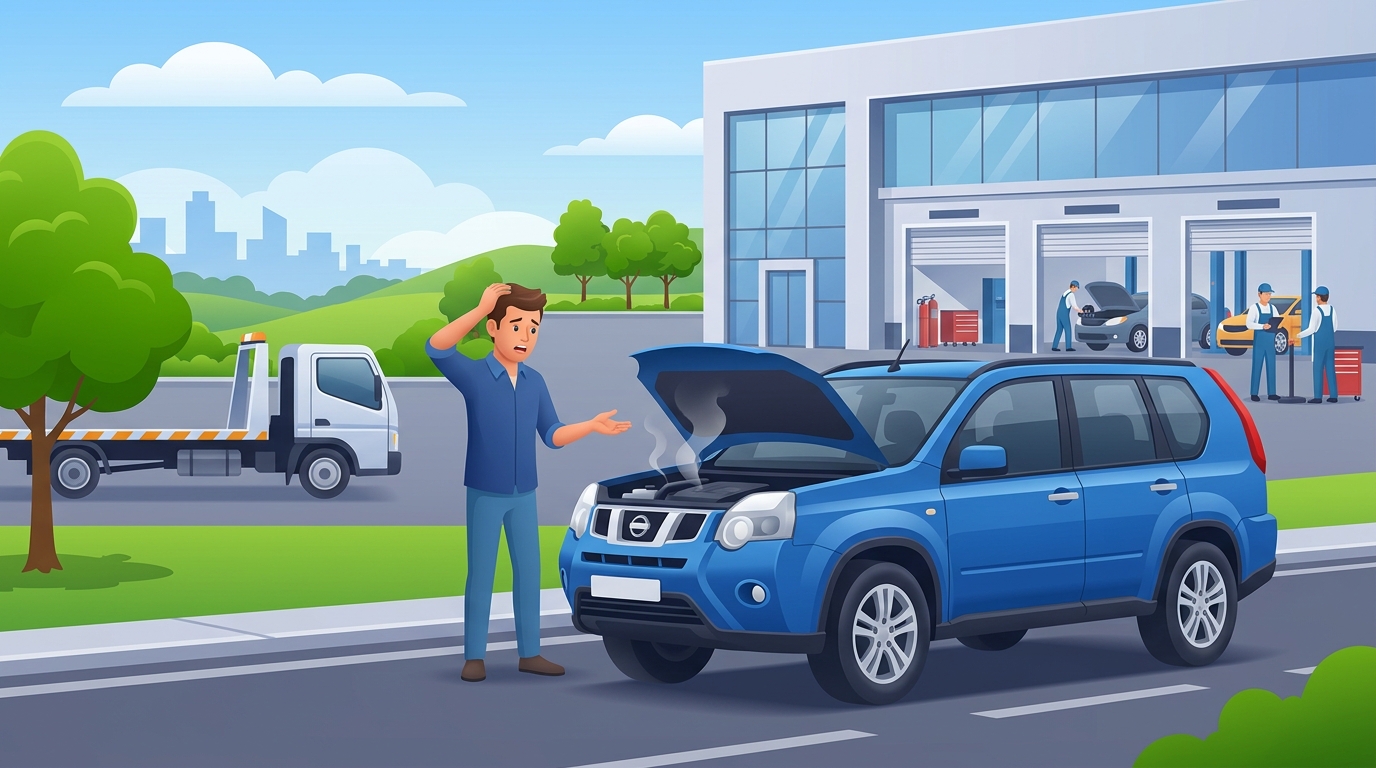
What does it mean when a luxury vehicle, a symbol of status and reliability, fails to deliver? This question looms large as we reflect on the saga of a Nissan X-Trail purchased in Kerala, which broke down just six days after delivery. Nearly fifteen years later, a landmark decision from the National Consumer Disputes Redressal Commission (NCDRC) has reignited discussions about consumer rights and corporate accountability.
In June 2011, Jaison Lukose, filled with the excitement of owning a premium SUV, bought a Nissan X-Trail SLX for Rs 28 lakh. However, his joy was short-lived; the vehicle stalled after merely 780 kilometers of use. Repeated visits to the dealer's workshop did little to remedy the persistent problems, culminating in a complete engine failure shortly thereafter.
After years of navigating the consumer dispute landscape, the NCDRC ultimately sided with Lukose, holding both the manufacturer and the dealer liable for a clear deficiency in service. The commission found that the vehicle had a manufacturing defect, a conclusion reinforced by expert analysis revealing significant technical failures in the engine. Yet, the commission also recognized a crucial nuance: the complainant had refused an offered engine replacement, complicating the relief awarded.
This case exposes a critical tension in consumer protection: while the system seeks to safeguard buyers, it also requires them to engage with the remedies offered. Lukose's refusal to accept the engine replacement raised questions about responsibility, both his and the manufacturers'. In this intricate dance, who bears the burden of accountability?

As you ponder this case, consider how you approach decisions in your own life. Whether it’s purchasing a vehicle or choosing an insurance policy, informed choices can protect you from future headaches. Check it out to compare multiple options that suit your needs.
The NCDRC's ruling serves as a reminder that consumers must stand firm against deficiencies in service, even as they navigate the complexities of corporate bureaucracy. The decision to refund the full purchase price, albeit without interest or compensation, reflects an understanding of the broader implications of defective products in the luxury market. Yet, as Lukose's vehicle remains dormant, questions linger: What role do we play in holding corporations accountable, and how do we ensure that our voices are heard in the marketplace?
Cultural critic and former documentary screenwriter with 15 years dissecting power, identity, media, and the invisible systems shaping everyday life. Elena doesn’t just report on events — she interrogates them. Known for razor-sharp analysis and prose that feels both intimate and explosive.

Mar 26, 2026

Mar 25, 2026
Mar 20, 2026