
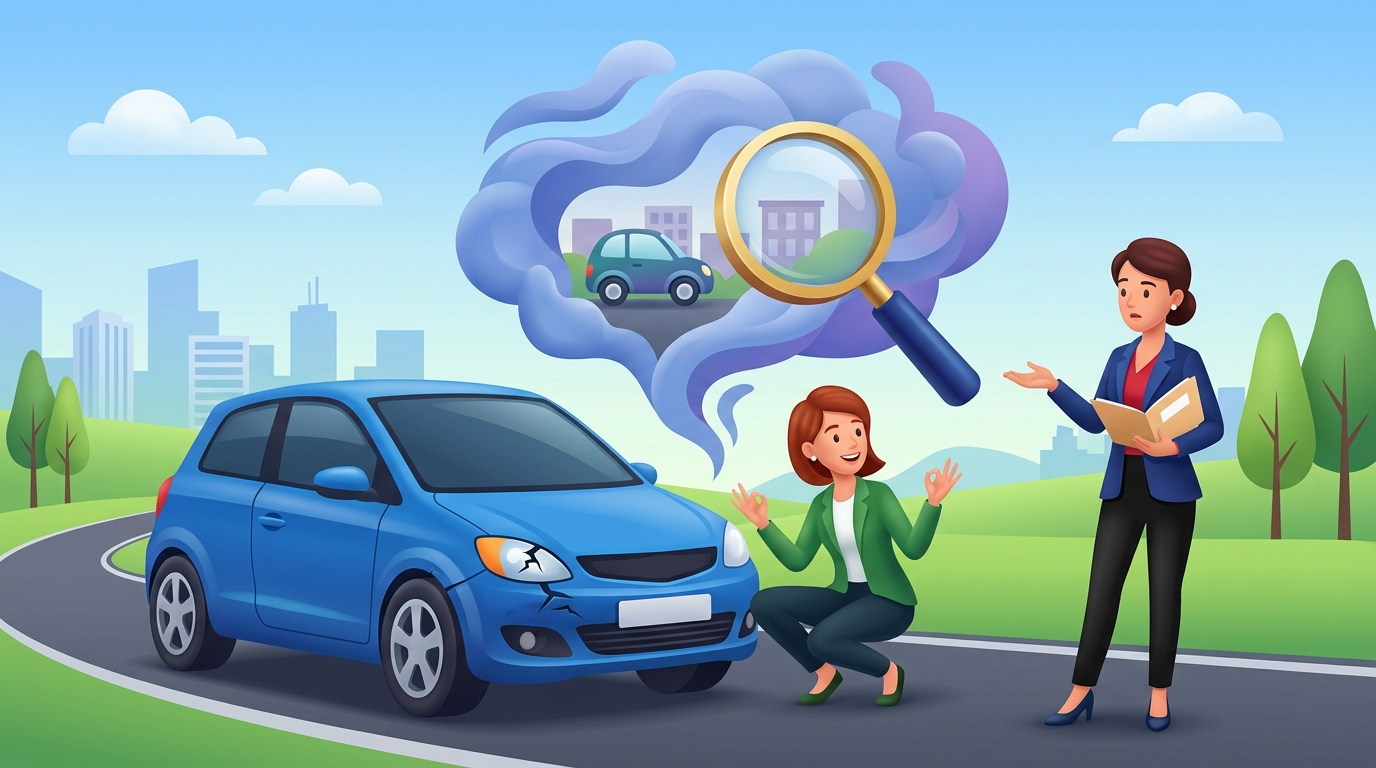
Governor Hochul's assertions about rampant insurance fraud driving up car premiums are challenged by evidence showing minimal fraud activity in New York. This article explores the disconnect between claims and reality, urging readers to reflect on the implications for consumers.
In the intricate landscape of auto insurance, New York Governor Kathy Hochul's recent push to reduce premiums hinges on a claim of rampant fraud. Yet, as evidence reveals, the scale of this fraud is far less than what her administration suggests. Hochul's narrative paints a grim picture of a state under siege by insurance fraud, yet the statistics tell a different story.
According to a Streetsblog investigation, the number of fraud investigations, arrests, and convictions related to staged crashes is remarkably low. District attorneys across New York City have barely prosecuted drivers for such incidents, even in counties known for their exorbitant insurance costs. This inconsistency raises questions about the validity of Hochul's assertions that fraud is a primary driver of high auto insurance premiums.
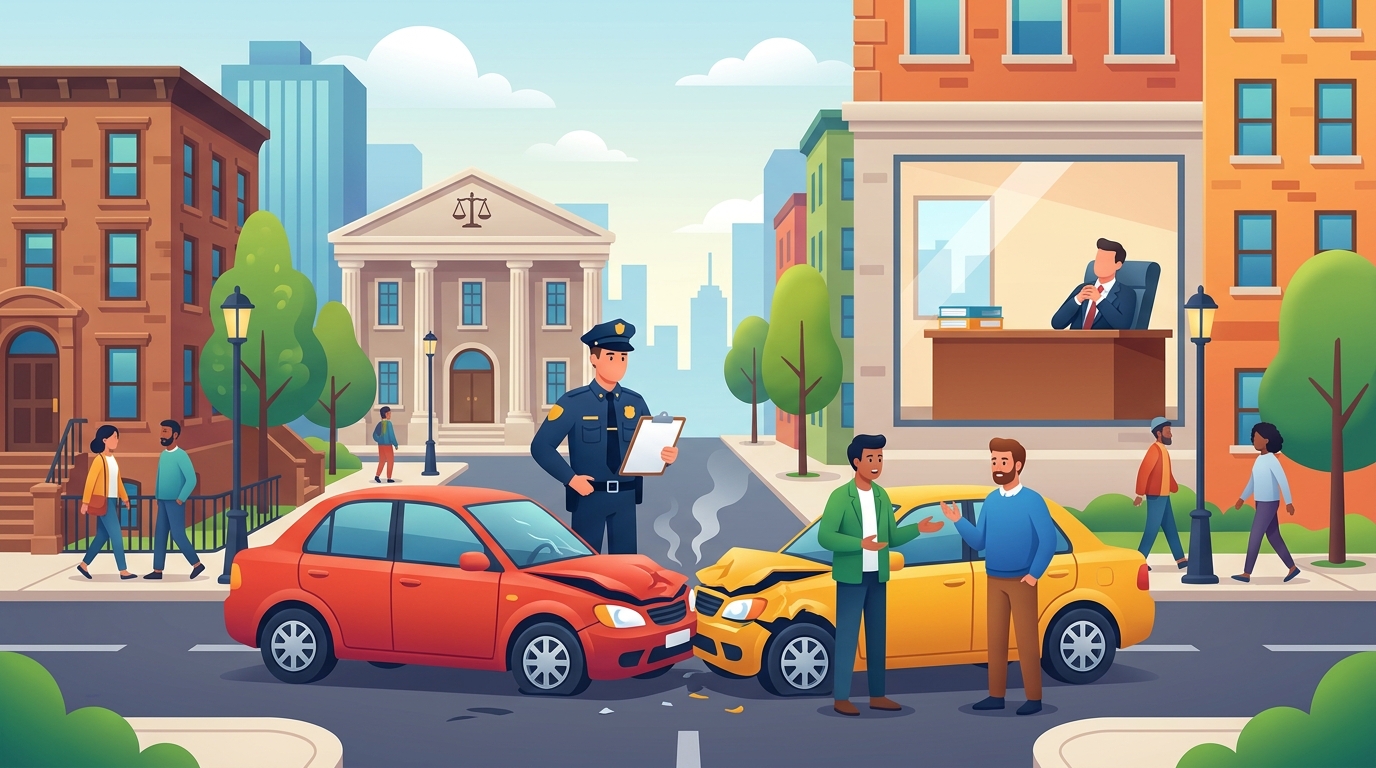
While Hochul claims that insurers reported over 43,000 cases of suspected motor vehicle insurance fraud in 2025, the state initiated only 243 investigations, resulting in a mere 169 arrests. This leads to a shocking closure rate of less than 0.4 percent. Experts argue that insurers often label claims as fraudulent to avoid payouts, emphasizing that the real issue lies not with consumers but with insurance companies themselves, who benefit from holding onto premiums longer.
while Hochul's reforms do not address the state's no-fault insurance system, which guarantees coverage regardless of fault, 70 percent of the alleged fraud cases were linked to it. This contradiction highlights a fundamental flaw in the argument that fraud is the culprit behind rising insurance costs.
For those seeking to navigate the complex world of auto insurance, comparing rates and coverage options can be a daunting task. Fortunately, there are online services available that facilitate this process, allowing users to find the best options tailored to their needs. Check it out.

Legislators and critics of Hochul’s proposals have voiced concerns that the governor is overstating the fraud problem. State Senator Jamaal Bailey aptly noted that if evidence of fraud is scarce, it cannot be the primary driver of insurance costs. Hochul's focus on staged crashes, while sensational, lacks substantial backing. District attorneys' offices in high-cost areas report minimal activity regarding such cases, further undermining her claims.
The essential issue remains: Hochul's narrative seems to serve the interests of insurance companies rather than the everyday New Yorkers who struggle with high premiums. By shifting the blame to fraud, the administration may be overlooking systemic issues that contribute to the costs consumers face. As the state grapples with these challenges, it is crucial for consumers to remain informed and vigilant.
As the conversation around auto insurance unfolds, it is essential for New Yorkers to question the narratives presented to them and consider who truly benefits from the proposed reforms. Are we being led to believe in a fraud epidemic to justify a reduction in our rights as consumers? The answers may lie in the details, and it is up to us to seek them out.
Cultural critic and former documentary screenwriter with 15 years dissecting power, identity, media, and the invisible systems shaping everyday life. Elena doesn’t just report on events — she interrogates them. Known for razor-sharp analysis and prose that feels both intimate and explosive.

Mar 26, 2026

Mar 25, 2026
Mar 20, 2026