Discover why lowering the music volume in gym classes can protect your hearing without compromising your workout intensity.
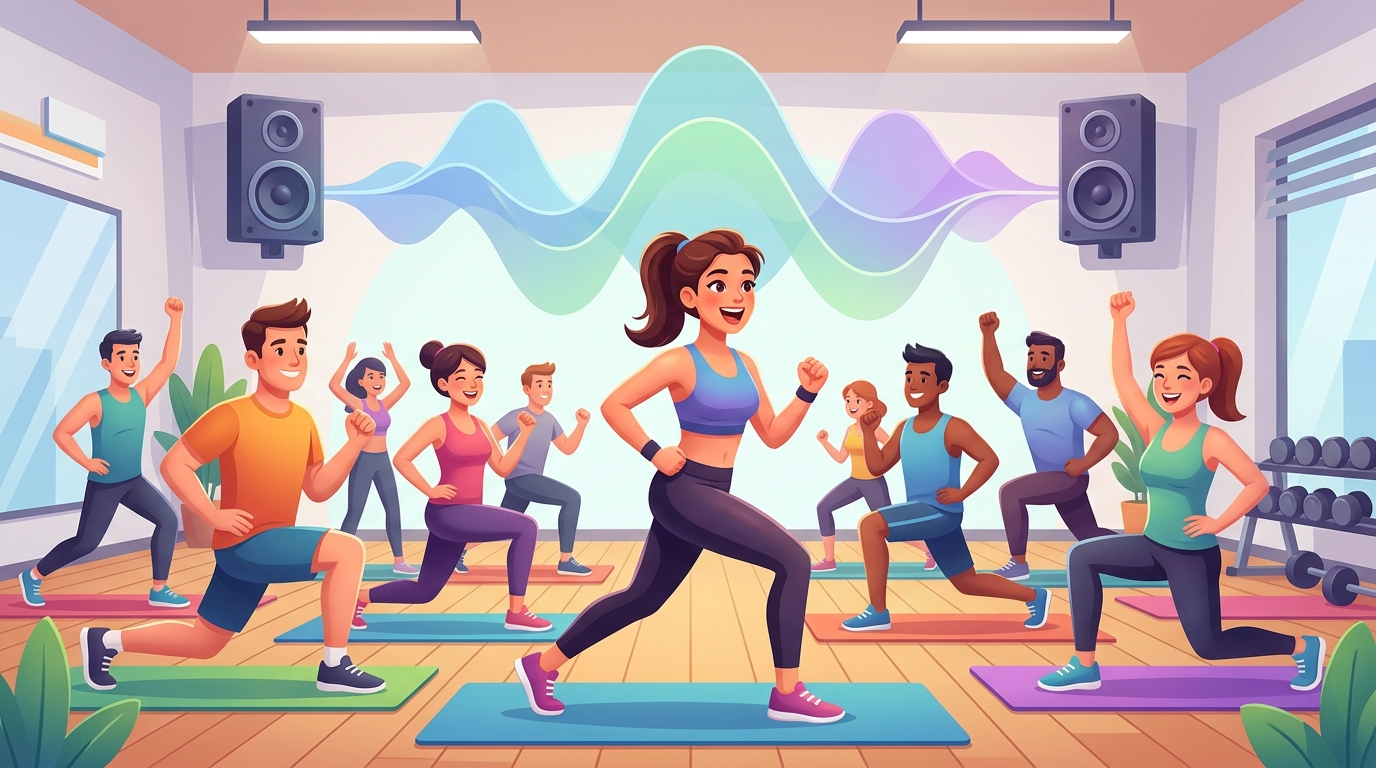
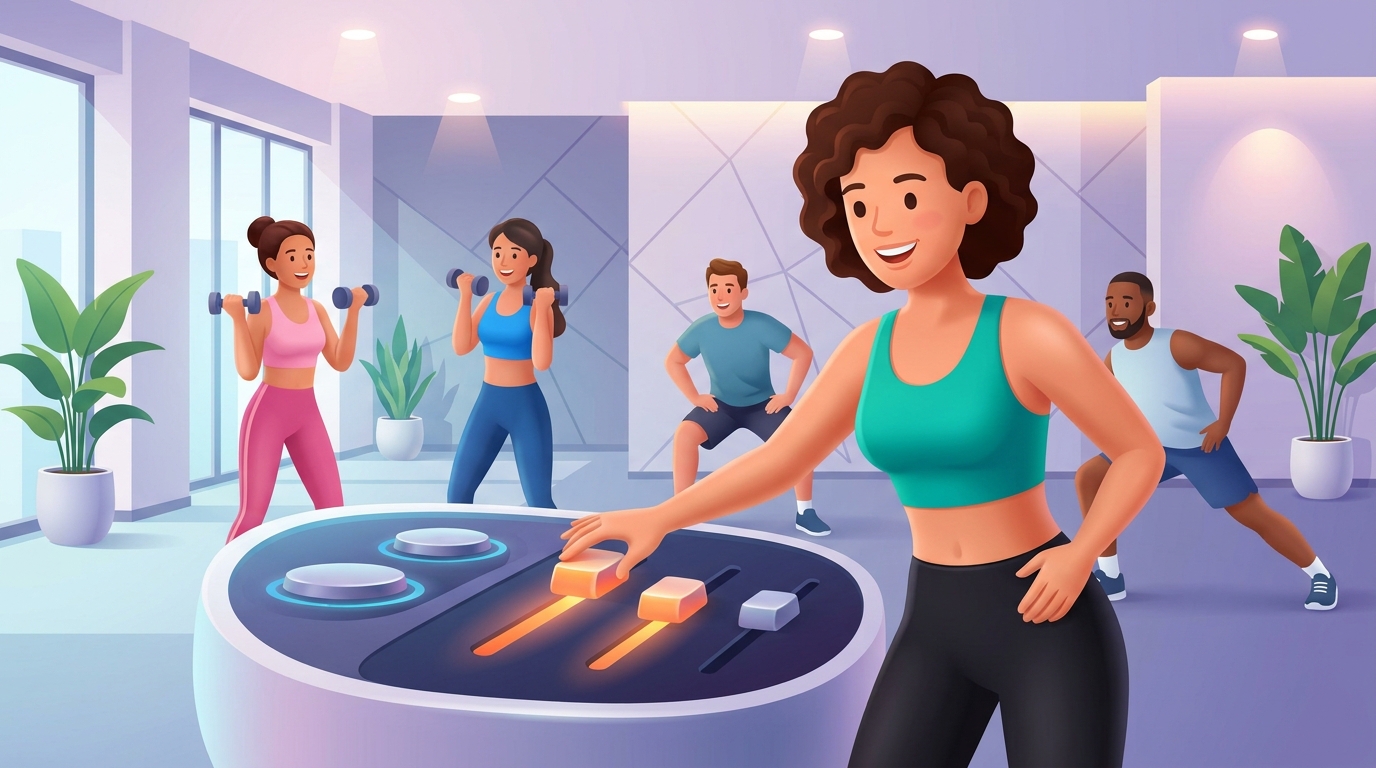
Picture this: you’re in a vibrant gym class, the music thumping around you, fueling your energy and motivation. Yet, as you sweat it out, have you ever considered the potential impact of that loud music on your hearing? Recent research has shed light on this issue, suggesting that lowering the music volume in exercise classes may not only be beneficial for your ears but also won’t hinder your workout performance.
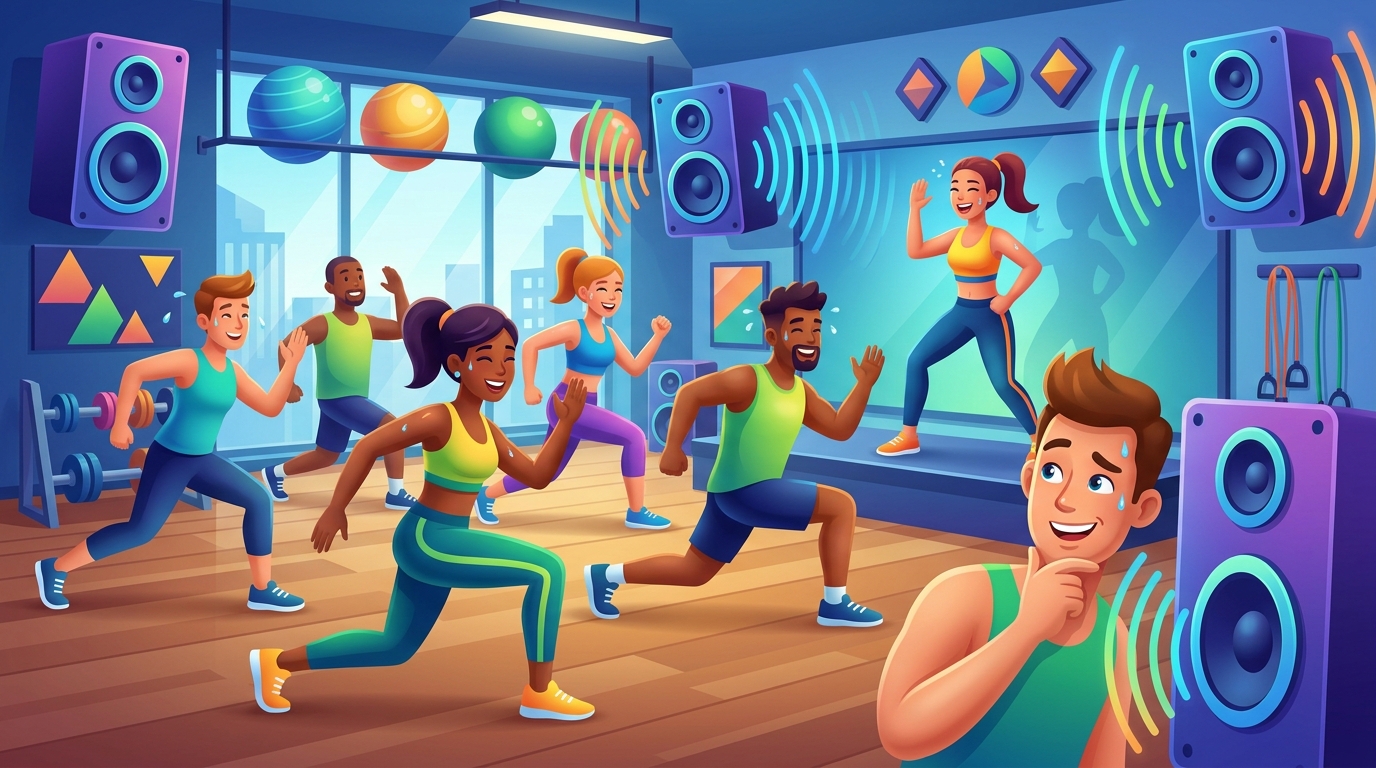
A study conducted by experts from the University of Southern California explored the exertion levels in weight-training classes with varying music volumes. Participants engaged in classes with music at 91.4 decibels versus those at a quieter 88.5 decibels. Surprisingly, the results indicated that perceived exertion was similar across both settings, meaning you can enjoy your workout just as much without compromising your hearing.
The British hearing loss charity RNID emphasizes that reducing music volume is a simple yet effective way to protect your ears. Franki Oliver, RNID’s audiology manager, points out that exposure to loud sounds is a leading cause of hearing loss. By simply adjusting the volume in fitness classes, we can significantly lower this risk while still enjoying the invigorating atmosphere of group workouts.
If you’re concerned about your hearing, it’s crucial to be proactive. To explore options for hearing aids and connect with providers, you can check it out. This resource allows you to compare different products and find assistance tailored to your needs.
As we continue to prioritize our fitness, let’s also embrace the responsibility of safeguarding our hearing. Remember, the journey to maintaining good hearing health begins with small, mindful changes. So next time you step into a gym class, take a moment to consider the volume levels and make adjustments for a healthier you.
Neuroscientist and cognitive researcher who transitioned into science communication. With 11 years in academic labs and publications, Hannah translates cutting-edge brain research into narratives about memory, habit, stress, and attention.

Mar 25, 2026

Mar 25, 2026

Mar 25, 2026