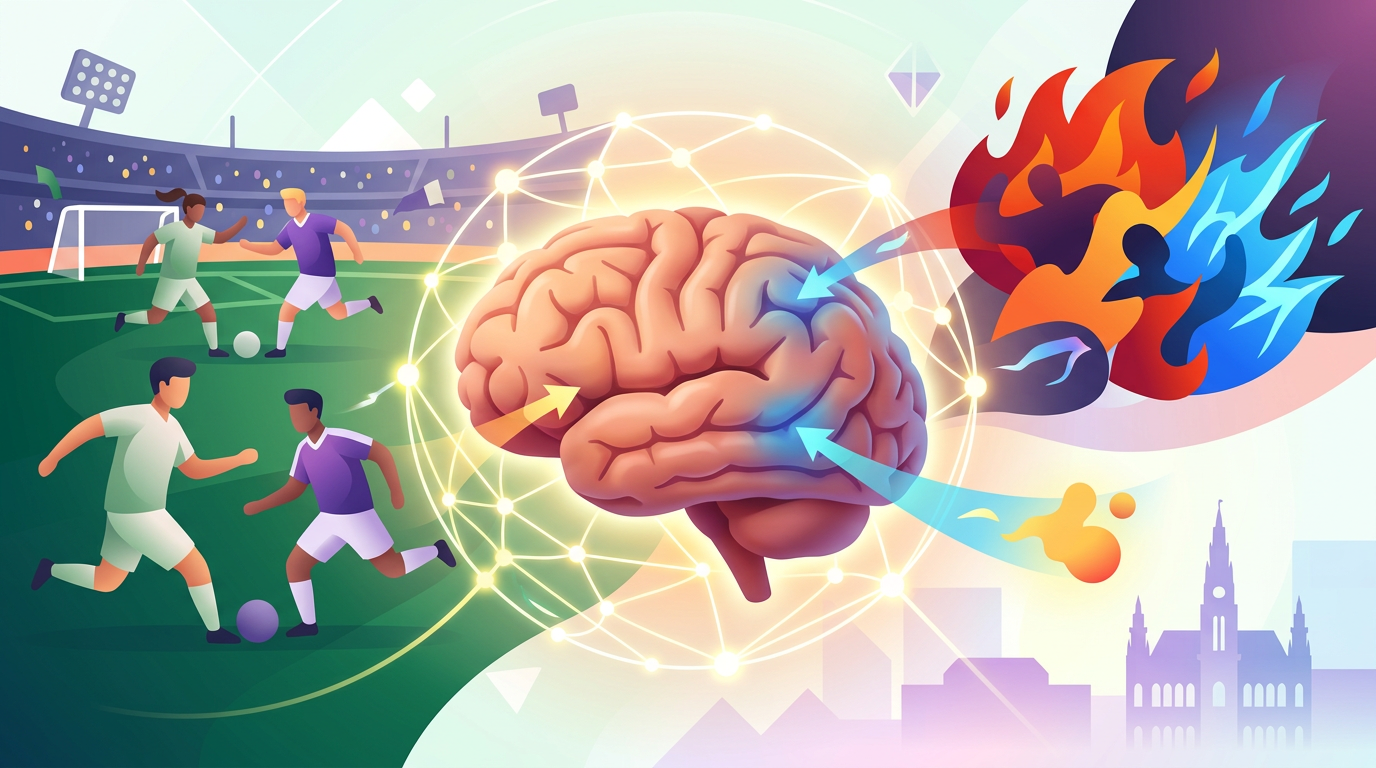
Exploring the neural mechanisms behind the violence during the Vienna Derby, this article highlights the importance of understanding human behavior in sports culture.
Imagine a vibrant stadium filled with passionate fans, the air thick with anticipation. In an instant, that excitement turns to chaos as a group of supporters storms the pitch, igniting violence and fear. This scene unfolded during the 343rd Vienna Derby, a stark reminder of how quickly human emotions can spiral into aggression. But what drives such behavior? Understanding the brain's role in these moments can shed light on the actions that lead to riots.
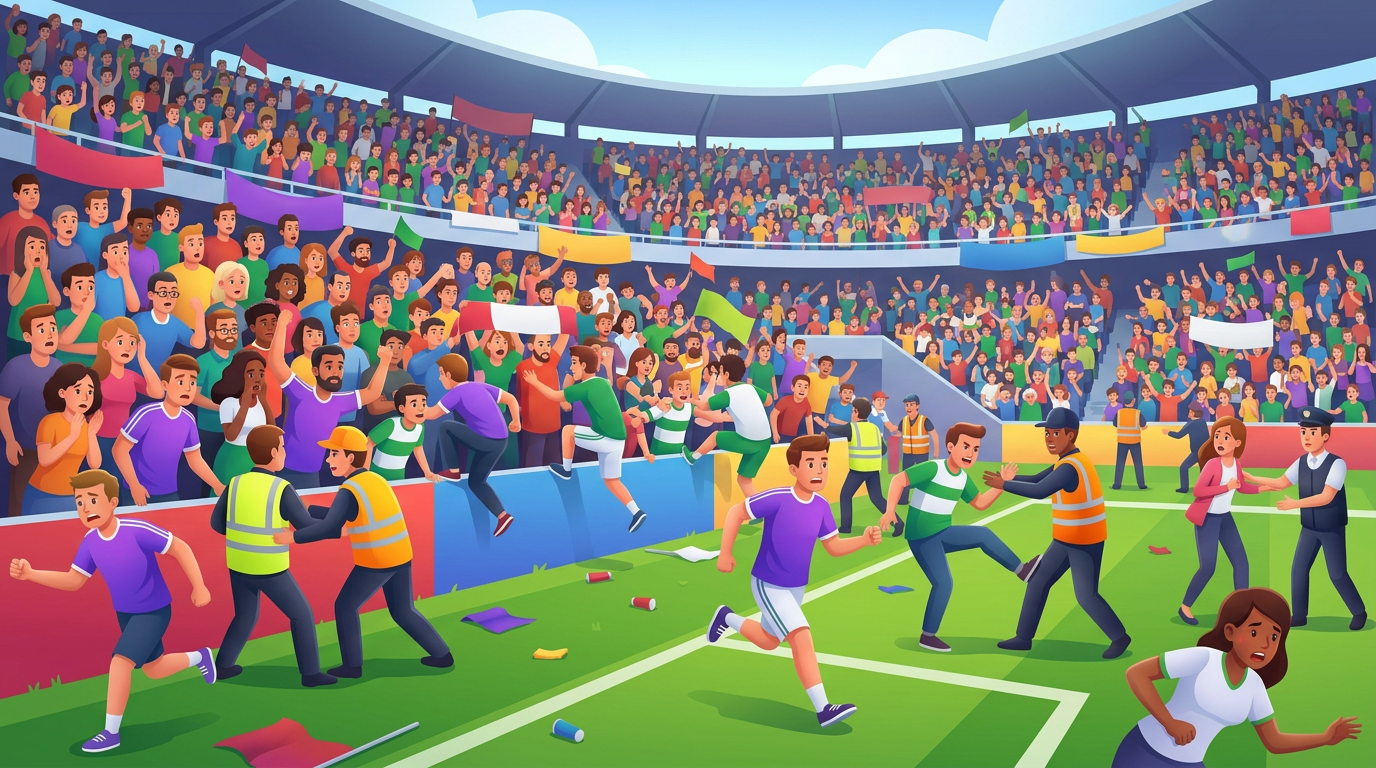
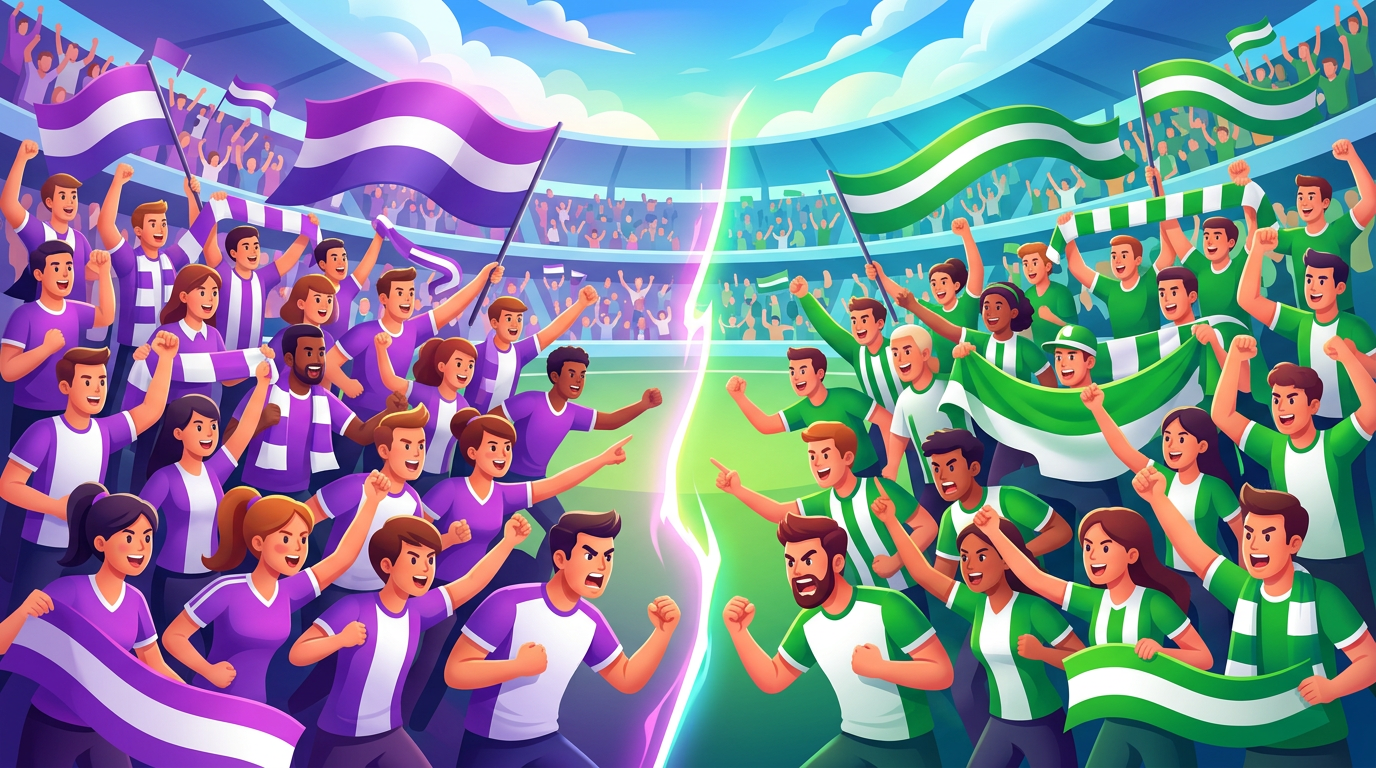
At the core of human aggression lies a complex interplay of emotions and neural pathways. The amygdala, often referred to as the brain's emotional center, plays a crucial role in processing threats and triggering fight-or-flight responses. When fans perceive a challenge from rival supporters, this part of the brain activates, leading to heightened arousal and impulsive reactions. In the case of the Vienna Derby, this resulted in violent confrontations between fans, as seen when supporters attacked each other and police intervened.
the collective behavior observed during such events is not merely spontaneous but is often fueled by group dynamics. Social identity theory suggests that individuals may act more aggressively when they feel part of a larger group, as was evident with the supporters of Rapid Vienna and Wiener Austria. This phenomenon can lead to a loss of individual accountability, further escalating violent situations.
In light of the violence witnessed, it is essential to consider preventative measures. For individuals dealing with hearing loss, connecting with appropriate providers can make a significant difference in their daily lives. Check it out to explore options designed to assist you.
While incidents like the Vienna Derby highlight the darker side of sports culture, they also serve as a reminder of the importance of understanding our brain's responses to social situations. By acknowledging the neural mechanisms at play, we can better address these issues and promote healthier ways to engage with our passions. Small changes in behavior and awareness can lead to more positive outcomes in our communities, fostering a culture of respect and safety in sports.
Neuroscientist and cognitive researcher who transitioned into science communication. With 11 years in academic labs and publications, Hannah translates cutting-edge brain research into narratives about memory, habit, stress, and attention.

Mar 25, 2026
Mar 25, 2026
Mar 25, 2026