
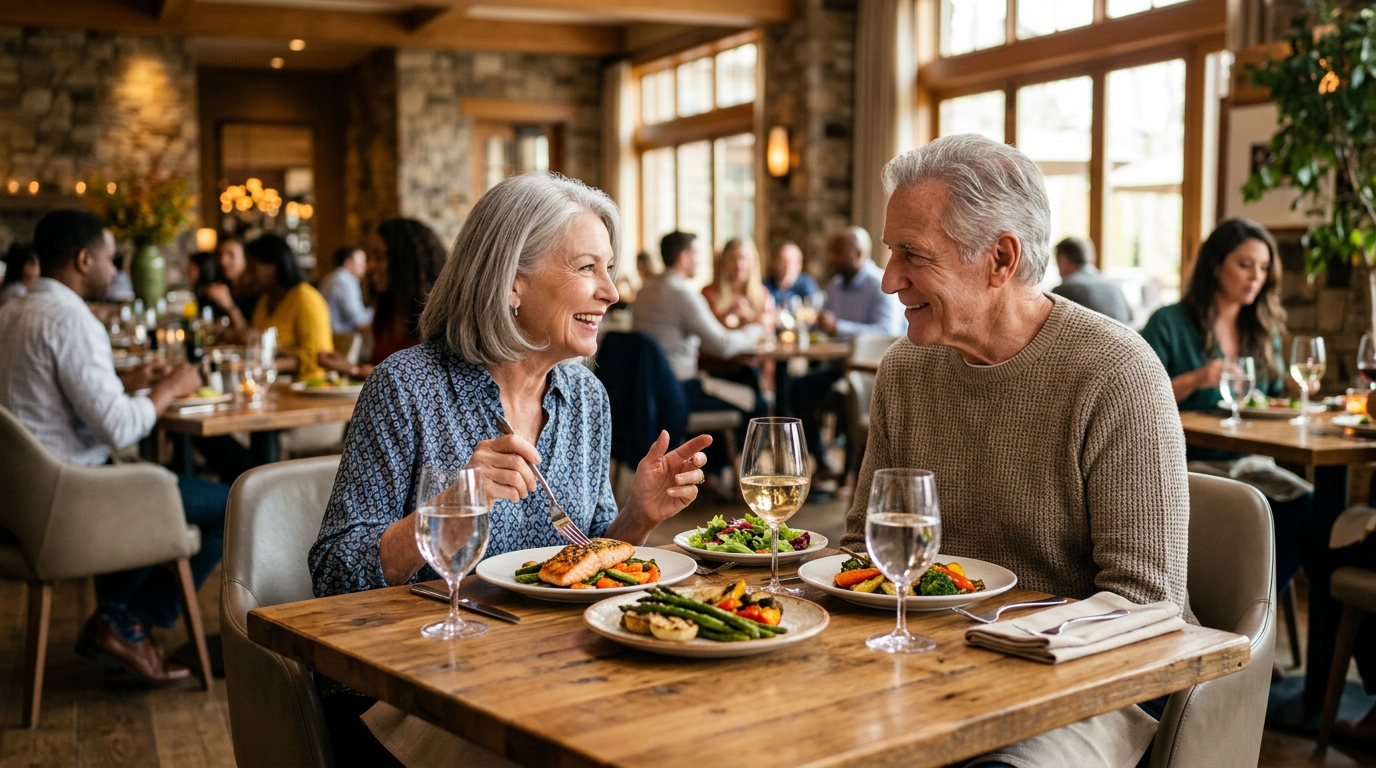
As the U.S. Population ages, restaurants must adapt to the shifting preferences of older diners while maintaining an inclusive environment for all. Discover effective strategies to enhance dining experiences and use potential savings opportunities.
The restaurant industry stands on the brink of a significant transformation as the U.S. Population ages. By 2030, all Baby Boomers will be in retirement, resulting in a demographic shift that will see individuals aged 65 and older making up 25% of the total U.S. Population by 2060. With this change, the spending habits of older diners are set to reshape the culinary landscape, with projections indicating that this age group will account for 18% of all U.S. Restaurant spending by 2030.
Experts emphasize that while it may be tempting to focus primarily on younger consumers, who typically dine out more frequently, such a strategy can overlook the valuable contributions of older diners. As noted by industry leaders, dining behaviors are often more closely tied to life stages than to age itself, revealing a complex interplay between personal circumstances and dining choices.
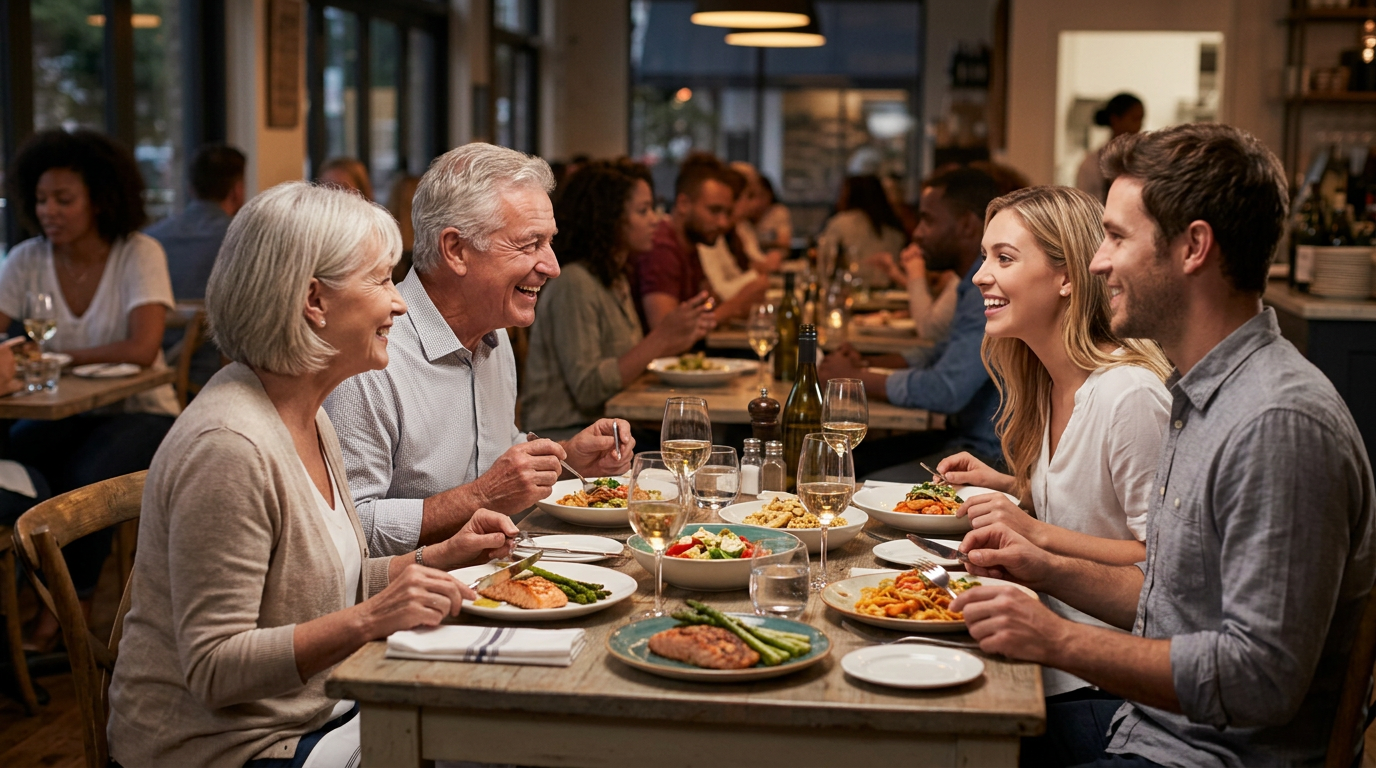
As restaurants adapt to this demographic shift, they must prioritize accessibility and inclusivity without alienating older patrons. Simple measures, such as clear signage, legible menus, and comfortable seating, can significantly enhance the dining experience for all guests. For example, some establishments are redesigning their menus for clarity while considering the acoustics of their spaces to ensure a lively yet comfortable atmosphere.
Moreover, rather than implementing age-specific promotions, many restaurants are adopting daypart strategies that cater to varying lifestyles. This approach recognizes that dining preferences can change based on the time of day rather than the age of the customer, allowing for a broader appeal.
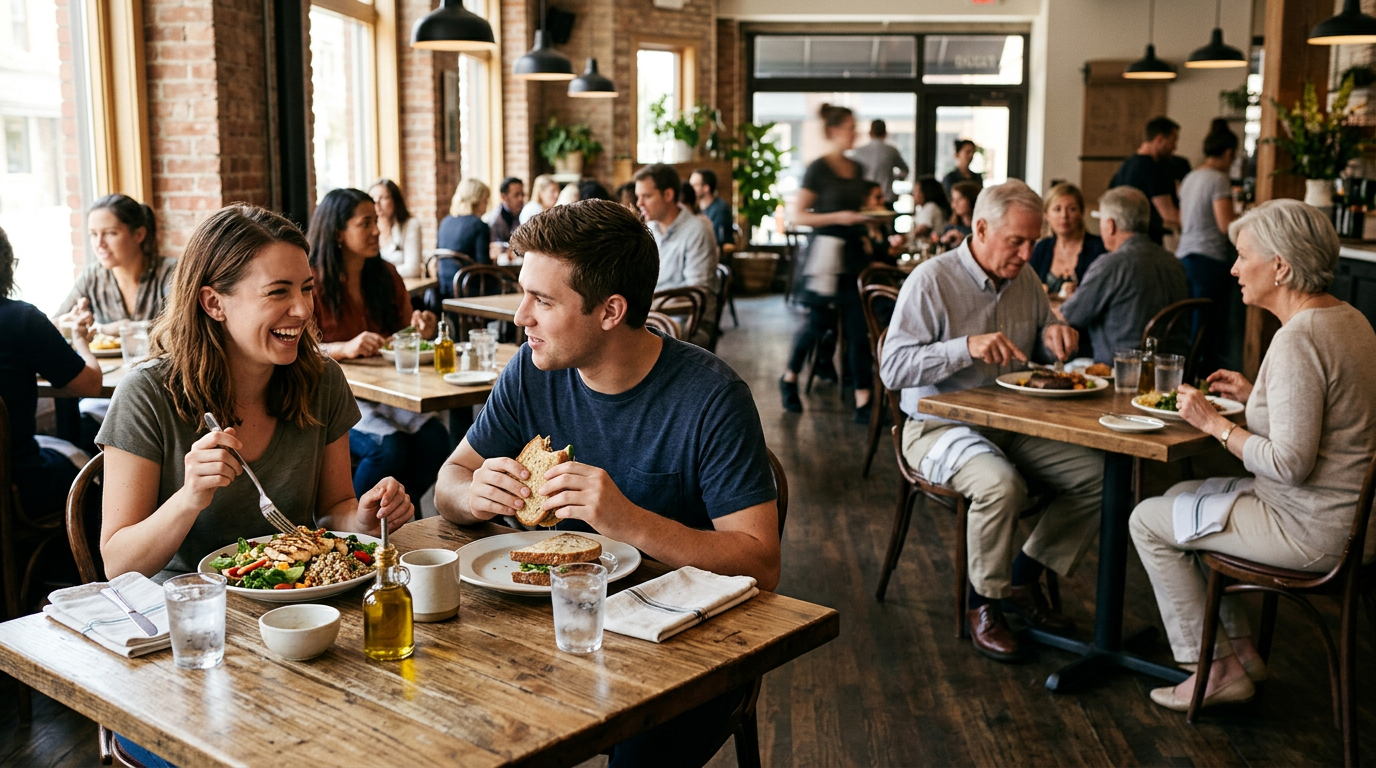
To help older adults discover potential savings opportunities, a curated list of discounts and deals across various categories, such as travel and everyday services, is now available. This resource can empower users aged 50 and older to maximize their savings without the hassle of individual searches. Check it out.
In addition to an increased focus on accessibility, the rise of off-premise dining presents another significant trend. With inflation prompting more customers to pick up their meals instead of opting for delivery, restaurants should design their spaces to accommodate both dine-in and takeout experiences seamlessly. As younger consumers mature into higher income brackets, their comfort with off-premise dining will likely continue, further shaping the industry landscape.
Ultimately, the key to thriving in this evolving market lies in understanding the diverse needs and preferences of all customers, regardless of age. By fostering a dining environment that prioritizes inclusivity and personalization, restaurants can appeal to a wide array of patrons and secure long-term success.
Neuroscientist and cognitive researcher who transitioned into science communication. With 11 years in academic labs and publications, Hannah translates cutting-edge brain research into narratives about memory, habit, stress, and attention.

Mar 25, 2026

Mar 25, 2026

Mar 25, 2026