Explore how balancing economic growth with environmental responsibility transforms our approach to sustainability and innovation.
In today's economic landscape, growth is often quantified through production metrics, job creation, and market expansion. However, these figures obscure a critical factor: the environmental impact of this growth. Every new factory, product line, or transportation project leaves a significant footprint on our natural ecosystem, necessitating a reevaluation of how we measure success.
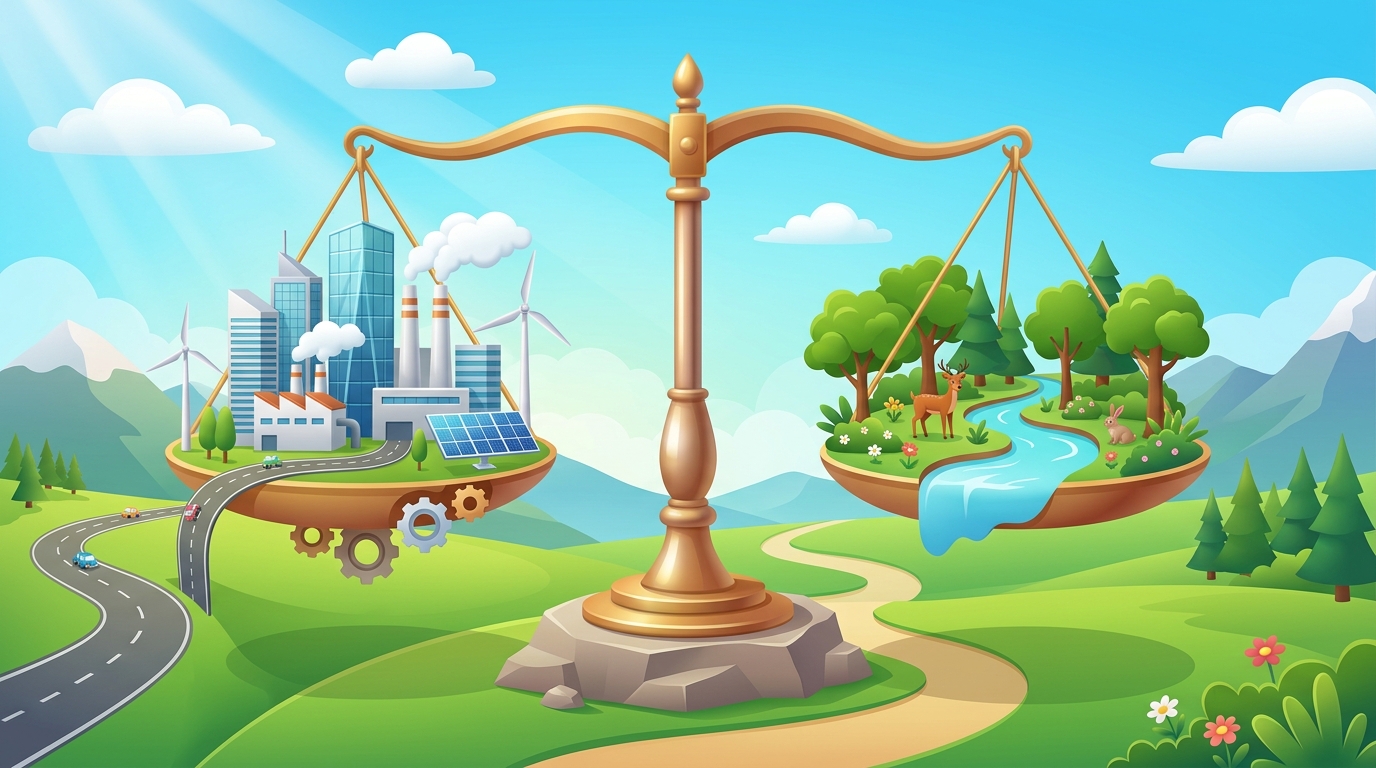
The dialogue surrounding economic expansion is evolving. No longer can growth be viewed in isolation from environmental considerations. The challenge now is to find a symbiotic relationship between economic development and environmental stewardship, ensuring that both can thrive together.
For decades, the narrative centered on increasing production and consumption as the primary indicators of economic health. Yet, contemporary economists advocate for a broader understanding of growth that encompasses efficiency, innovation, and resource management. This shift signifies a move towards producing smarter instead of merely more, recognizing that sustainable prosperity relies on the ecosystems that support our activities.
Research from the United Nations Environment Programme underscores that responsible resource management allows for economic growth without depleting natural systems. Thus, growth is now measured not just by output but also by the effectiveness of resource use.
To illustrate this, consider adopting a customized financial strategy that could alleviate personal financial burdens. Similar principles apply to organizations striving to balance growth with environmental responsibility. Individuals burdened by debt can often find relief through negotiated settlement programs, allowing them to regain financial stability and redirect their resources more effectively.
For those facing high-interest credit card debt, exploring options for debt reduction may lead to significant savings and a clearer financial future. Check it out.
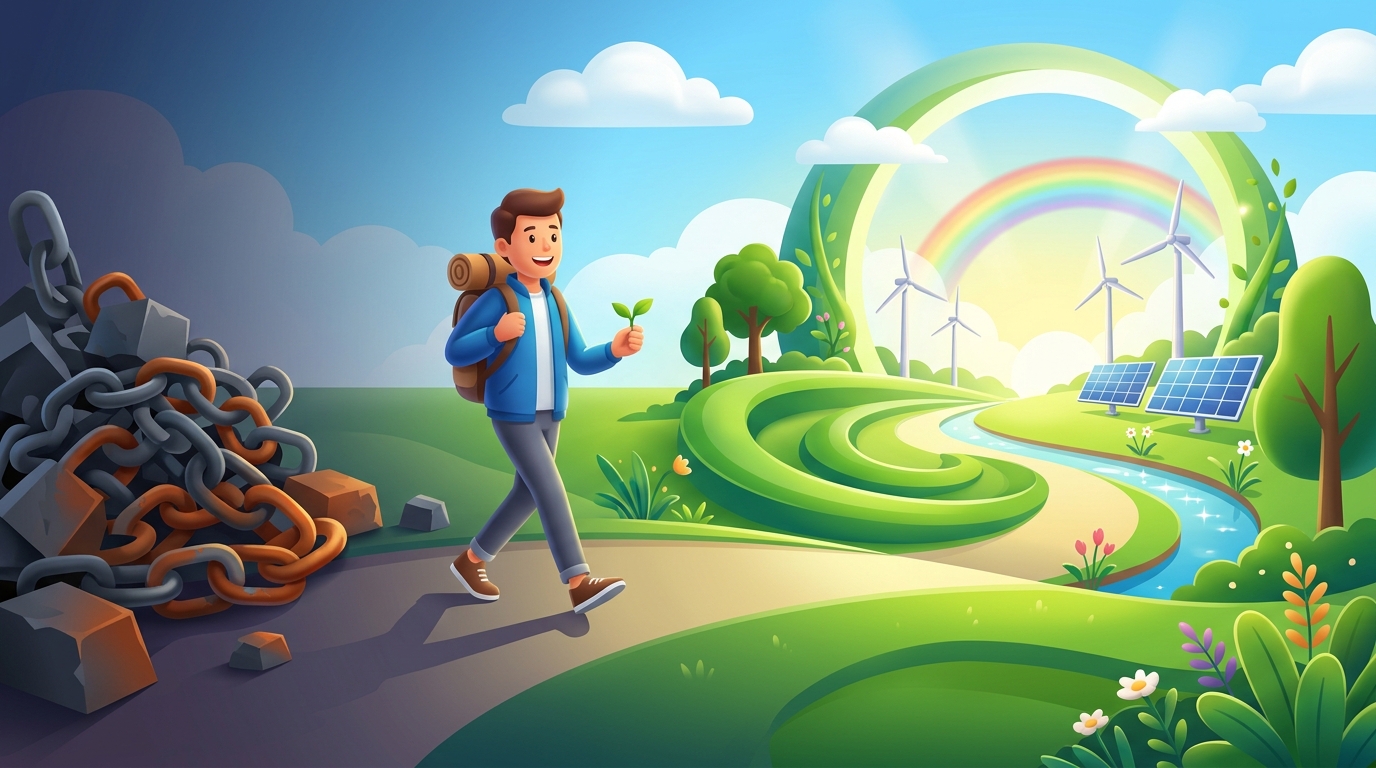
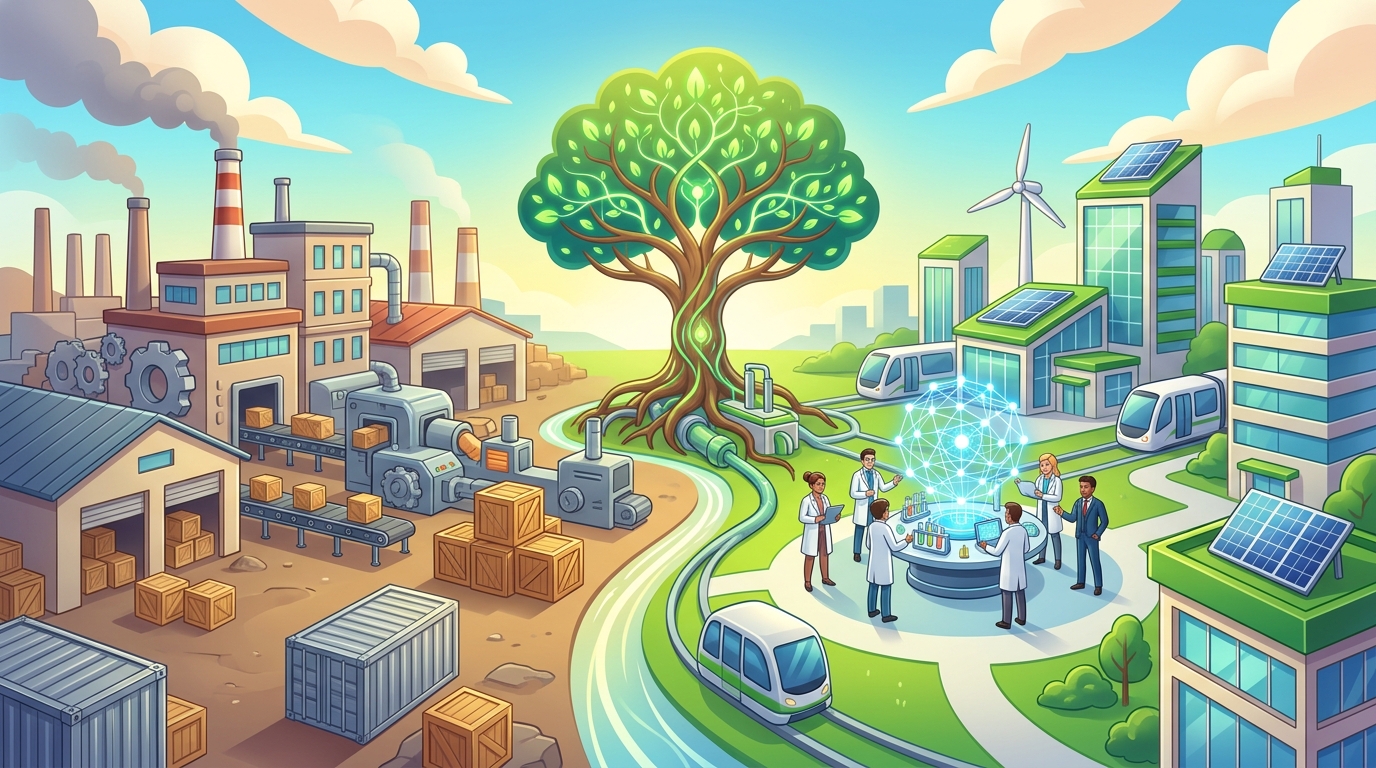
A promising framework for reconciling growth with environmental responsibility is the circular economy. Unlike traditional linear models that emphasize resource extraction followed by waste, the circular economy treats materials as valuable assets to be reused and recycled. This approach not only alleviates pressure on natural resources but also fosters innovation and economic opportunities.
As businesses adopt circular models, they design products for longevity and repurpose materials in new production cycles. By keeping materials in use longer, organizations can stimulate growth without necessitating continuous resource extraction. This paradigm shift encourages companies to innovate, viewing environmental responsibility as a catalyst for creativity rather than a constraint.
Ultimately, the balance between economic growth and environmental responsibility is not a zero-sum game. By integrating long-term thinking into both business strategies and government policies, societies can redefine what progress looks like. When innovation, supportive regulations, and consumer demand align, a sustainable future becomes not just possible, but probable. As we move forward, the focus should remain on nurturing a framework where growth is synonymous with environmental stewardship, ensuring a viable planet for generations to come.
Former war correspondent turned geopolitical analyst with 18 years covering global power shifts, economic warfare, intelligence networks, and institutional decay. Adrian writes like someone who has seen how decisions actually get made — and who makes sure readers understand the stakes.
Mar 26, 2026

Mar 26, 2026

Mar 26, 2026