
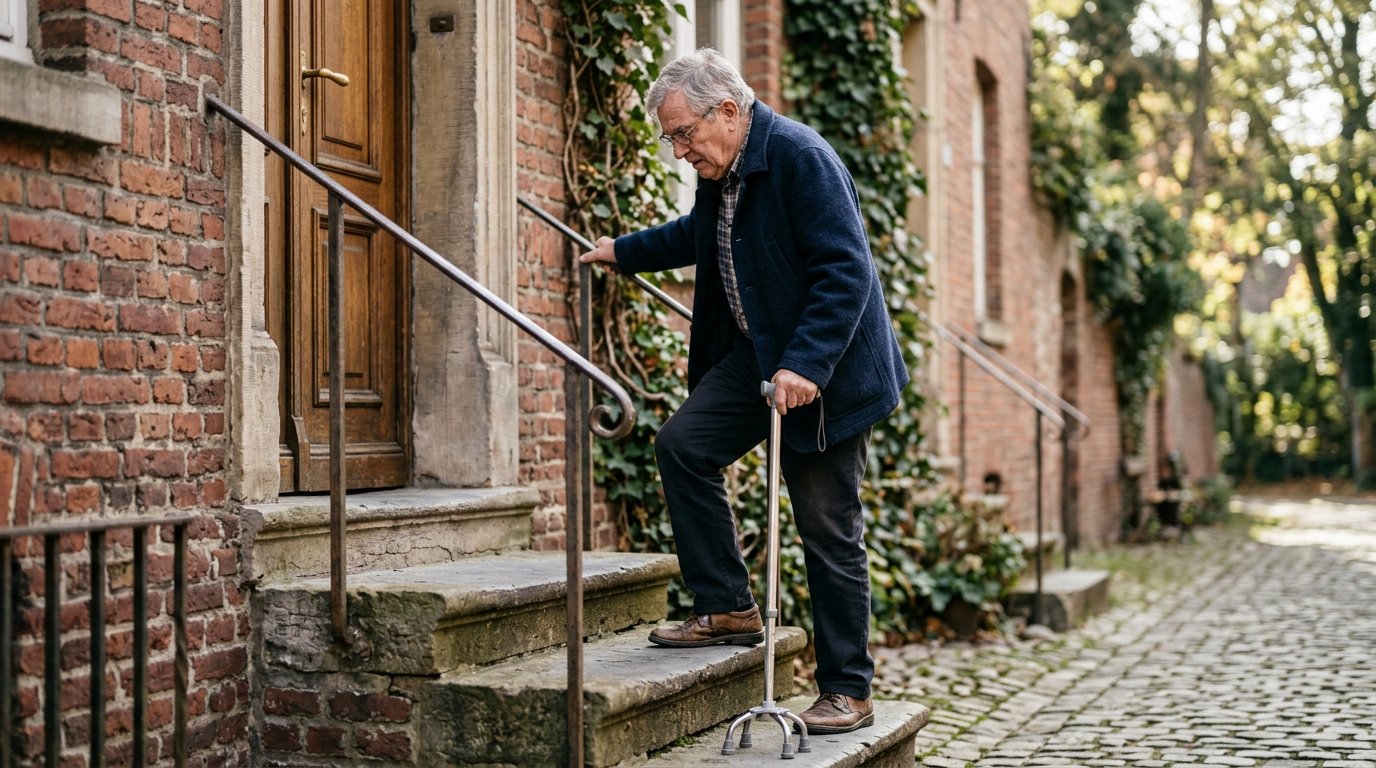
Exploring the complexities of self-identification among older adults with disabilities and the societal implications of denying support.
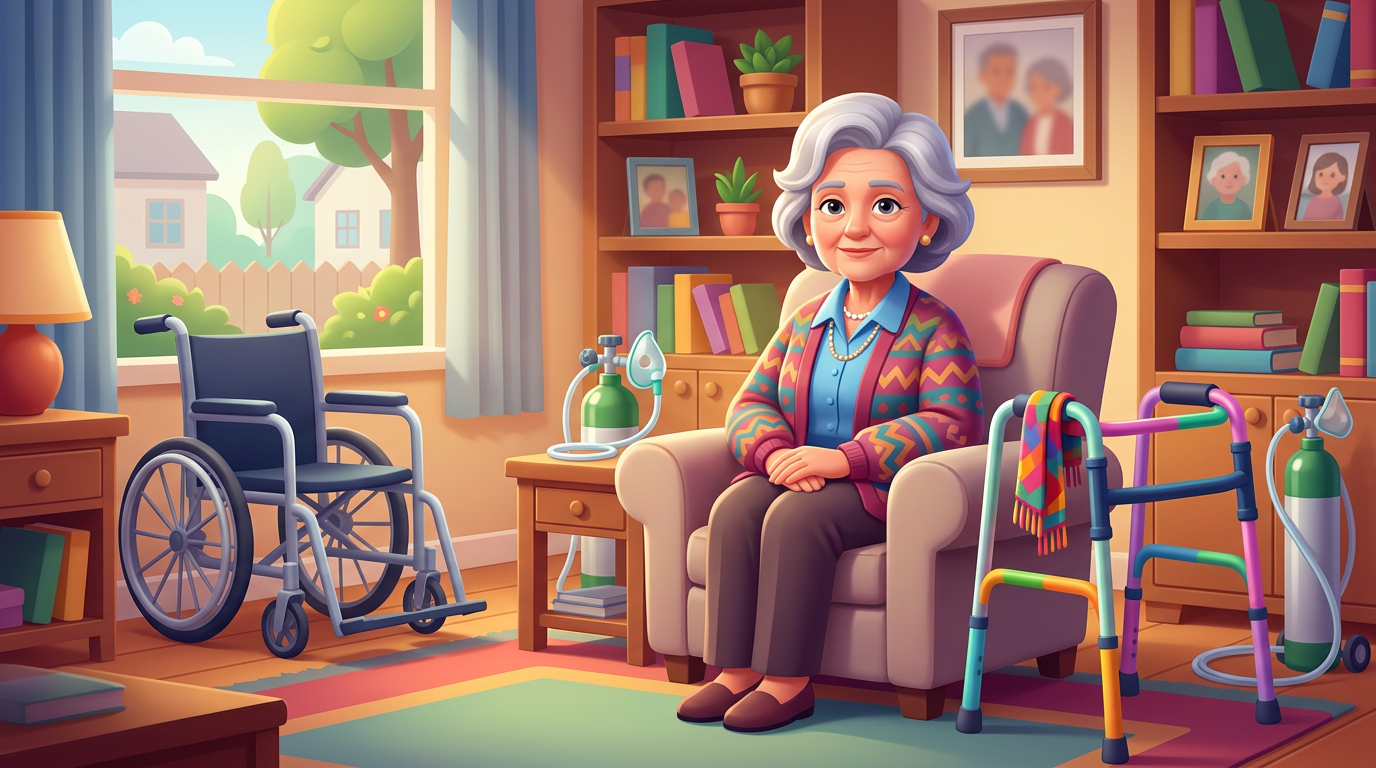
In the warm, cluttered space of her Ypsilanti home, Barbara Meade, 82, reflects on the abundance of mobility aids that define her daily life, walkers, wheelchairs, and portable oxygen tanks are all part of her reality. Yet, when asked if she identifies as disabled, her answer is a resounding no. This sentiment echoes among many older adults who, despite experiencing significant physical limitations, resist the label of disability, suggesting a societal stigma that casts a long shadow over self-identification.
The Meades' reluctance is not unique; a recent University of Michigan survey reveals that nearly 82% of participants over 65 do not consider themselves disabled, even as they report numerous challenges in their daily lives. This disconnect raises questions about the language we use and the societal perceptions of disability, which many still view as synonymous with inability.
What does it mean to deny a disability? For many, including Barbara and her husband Dennis, it means navigating a world designed with assumptions about capability. Their daughter, Michelle, a rehabilitation psychologist, observes this reluctance and understands the generational context: many older adults grew up in an era when seeking help was seen as a weakness. This cultural backdrop can make it difficult for them to embrace the support that could enhance their quality of life.
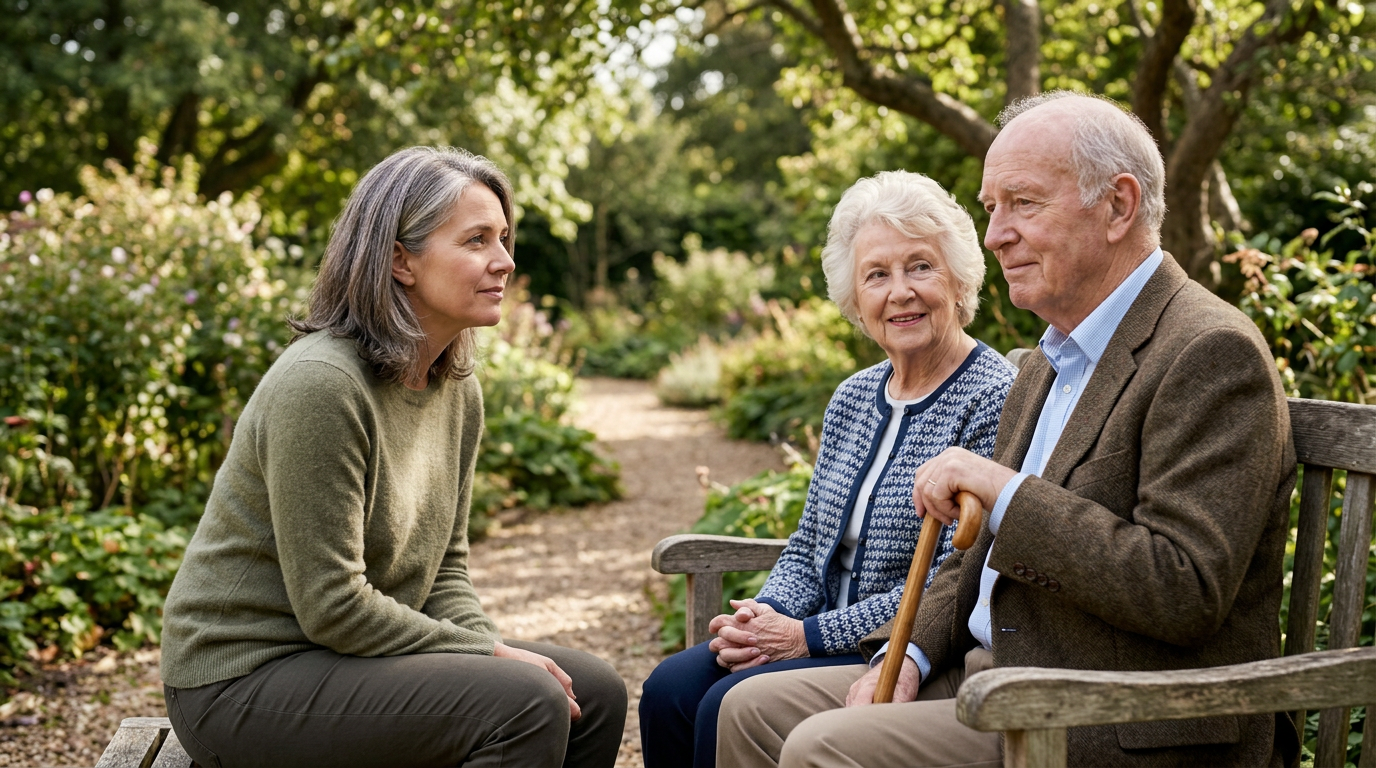
Yet, acknowledging a disability can open doors to necessary accommodations that improve everyday experiences. This is particularly true in healthcare settings, where recognizing one's limitations can lead to tailored support. For those hesitant to seek help, an online resource exists that connects individuals with hearing aid products, allowing them to explore options that can significantly enhance their auditory experiences. Check it out.

Identifying as disabled often fosters a sense of community, a vital aspect of coping with the challenges that accompany aging. Glenna Mills, an artist who once resisted the label, now finds joy in acknowledging her limitations, allowing her to engage more fully with life through adaptive tools. This shift in perspective can be transformative; it enables individuals to connect with others who share similar experiences, fostering support networks that enrich their lives.
The reluctance to identify as disabled not only impacts personal well-being but also hinders societal progress in recognizing the diverse needs of older adults. By embracing this identity, individuals can advocate for themselves, promoting a culture of acceptance and support that benefits all.
Luxury brand consultant and cultural tastemaker with 14 years inside fashion houses, art circles, and elite hospitality. Camille writes about taste, aesthetics, status, and refinement — but always through the lens of psychology.

Mar 25, 2026

Mar 16, 2026

Mar 16, 2026