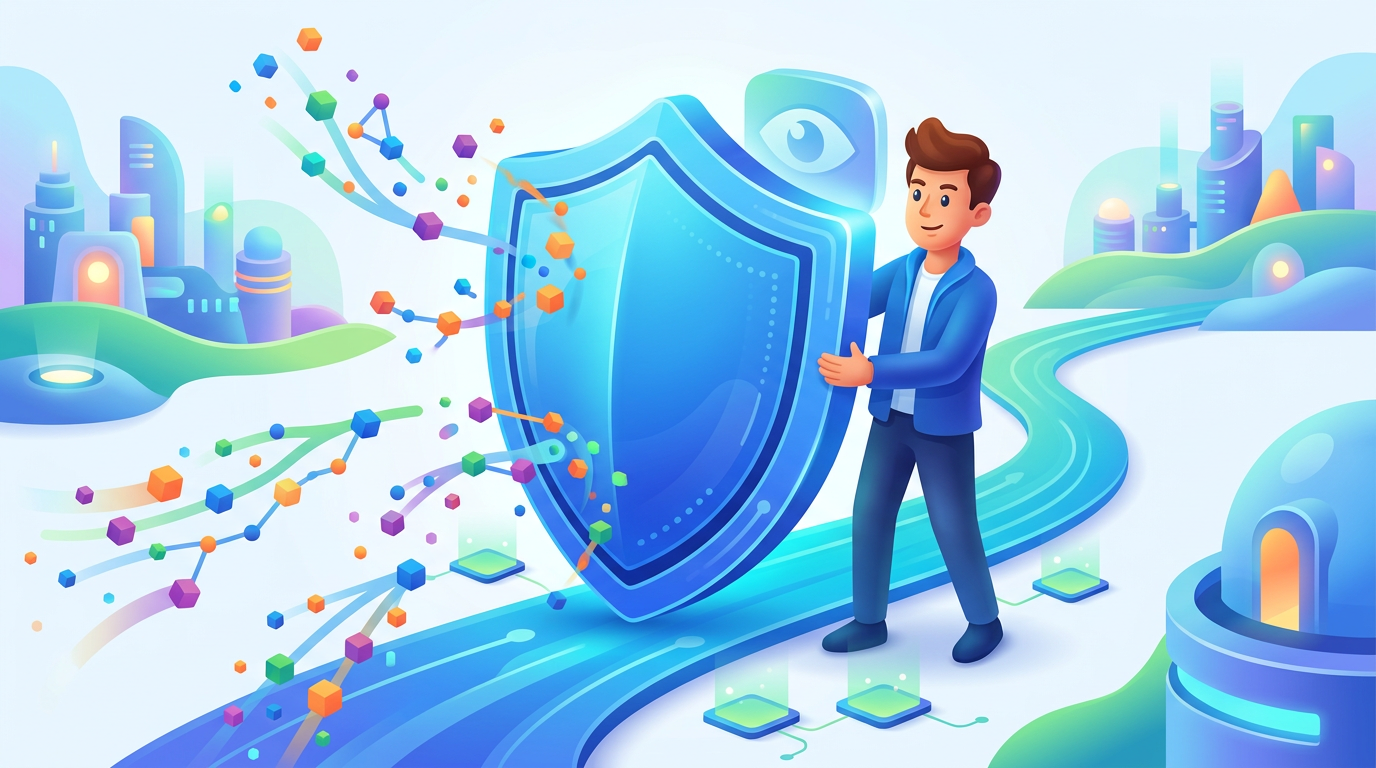
A shocking data leak has exposed nearly 1 billion identity records, revealing the vulnerabilities in data security and the importance of protecting personal information in our digital age.
Imagine your most intimate details, name, address, Social Security number, floating freely in the digital ether, accessible to anyone with a few clicks. This is the disquieting reality revealed by researchers who uncovered an unsecured database belonging to an identity verification provider. With roughly 1 billion records exposed across 26 countries, the implications for personal security are profound. In the United States alone, over 203 million records were left vulnerable, laying bare the sensitive information that companies often require when verifying identities.
As we navigate the complexities of modern life, our trust in institutions handling our personal data is paramount. Yet, when a breach occurs, the question arises: how secure is our information really? The exposed database contained not just names and birth dates, but also national ID numbers and contact details, presenting a goldmine for anyone with malicious intent. With such data, criminals can orchestrate targeted attacks that exploit this information for identity theft and fraud.
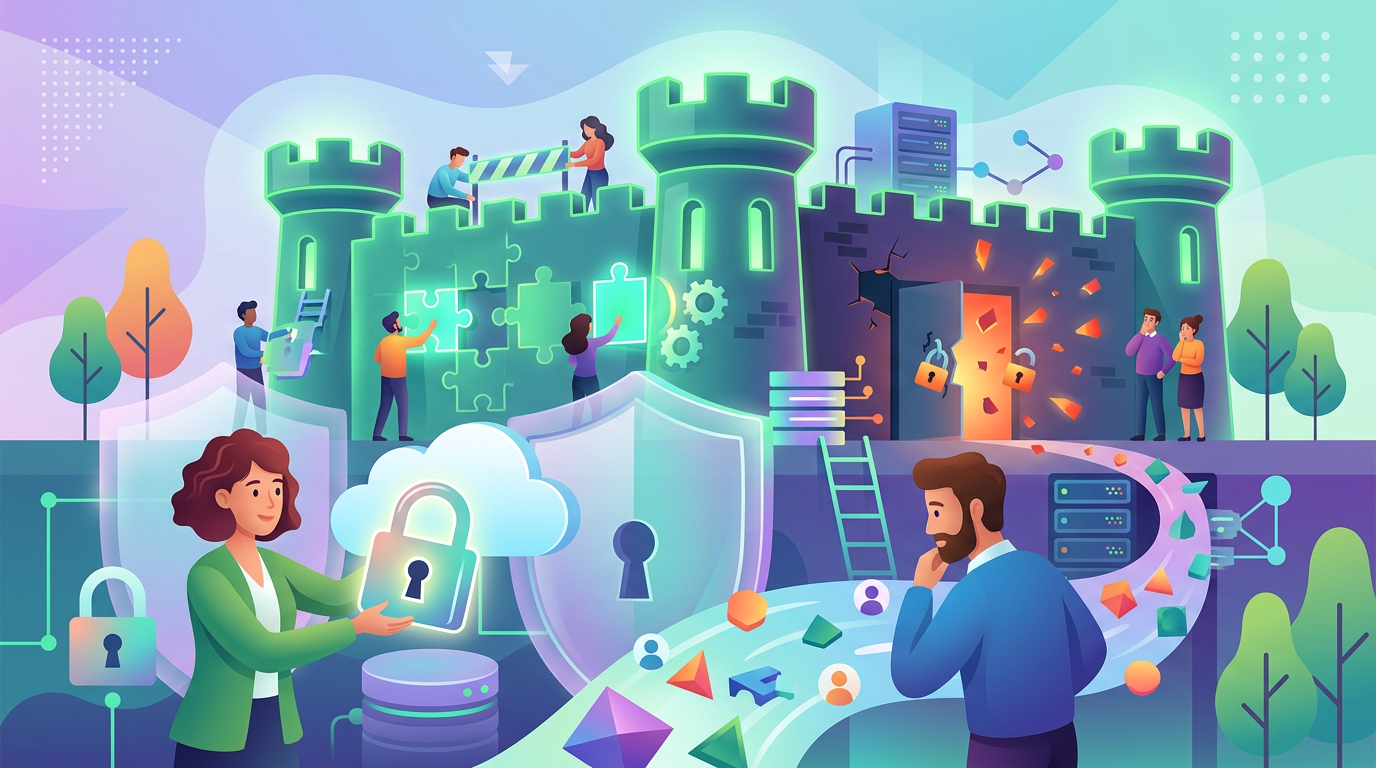
Given the alarming nature of this data exposure, it is essential to take proactive measures to safeguard your identity. One effective strategy is to contact major credit bureaus and place a credit freeze, preventing unauthorized access to your credit file. Additionally, consider switching from text message security codes to an authenticator app, which provides a more secure form of two-factor authentication.
Furthermore, utilizing a personal data monitoring service can provide an additional layer of protection. These services can alert you to the unauthorized use of your personal information, helping to mitigate risks before they escalate. To explore options for identity theft protection and data monitoring, check it out.
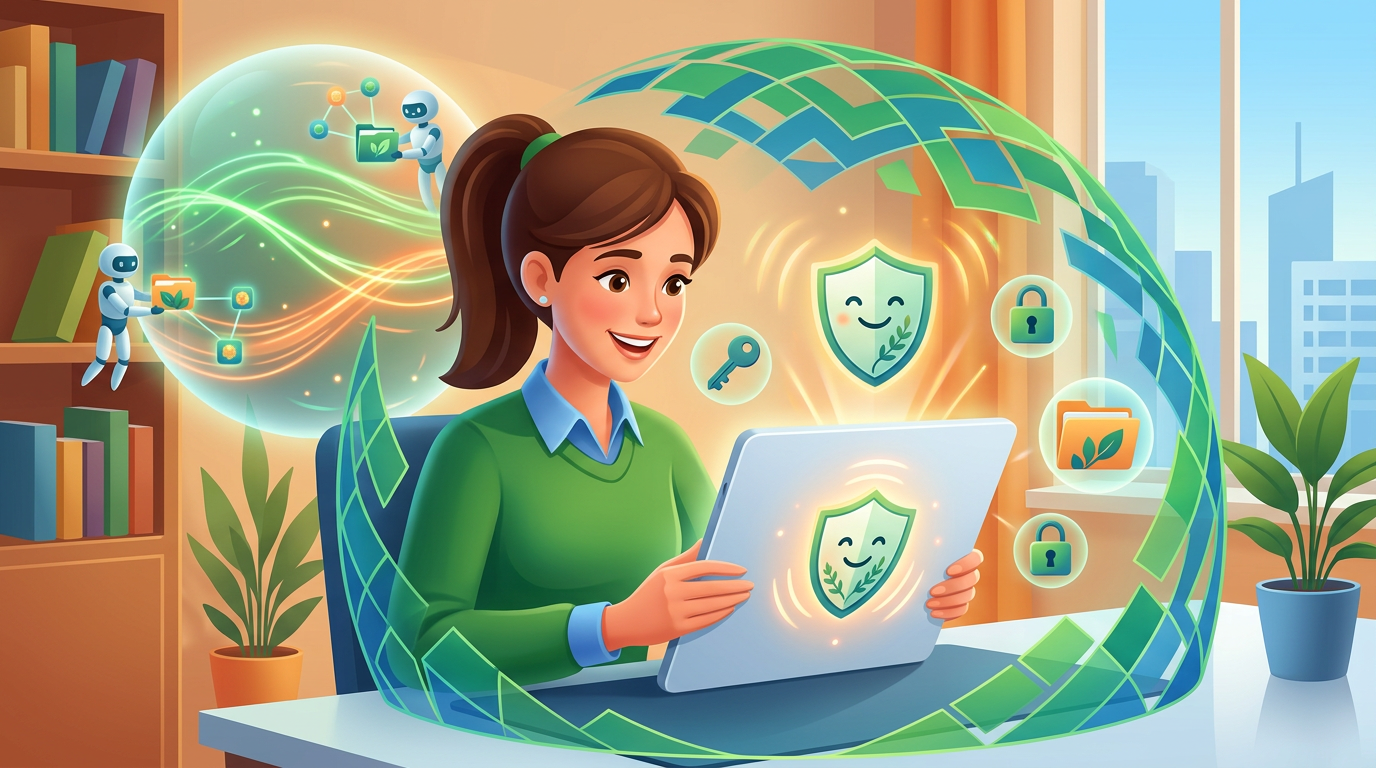
In a world where cyber threats are increasingly sophisticated, vigilance is key. Monitor your mobile account for suspicious activity, and enable extra security features wherever possible. Running antivirus software can also shield you from malicious links and phishing attempts that often follow such breaches. Lastly, remain skeptical of unsolicited communications that reference your personal information; always verify the legitimacy of such inquiries before responding.
This incident serves as a poignant reminder of the fragility of our digital identities. As consumers, we must insist on stringent security measures from companies handling our data. After all, trust is not given lightly, and protecting our personal information should be a priority for all businesses that operate in this space.
Luxury brand consultant and cultural tastemaker with 14 years inside fashion houses, art circles, and elite hospitality. Camille writes about taste, aesthetics, status, and refinement — but always through the lens of psychology.

Mar 25, 2026

Mar 16, 2026

Mar 16, 2026