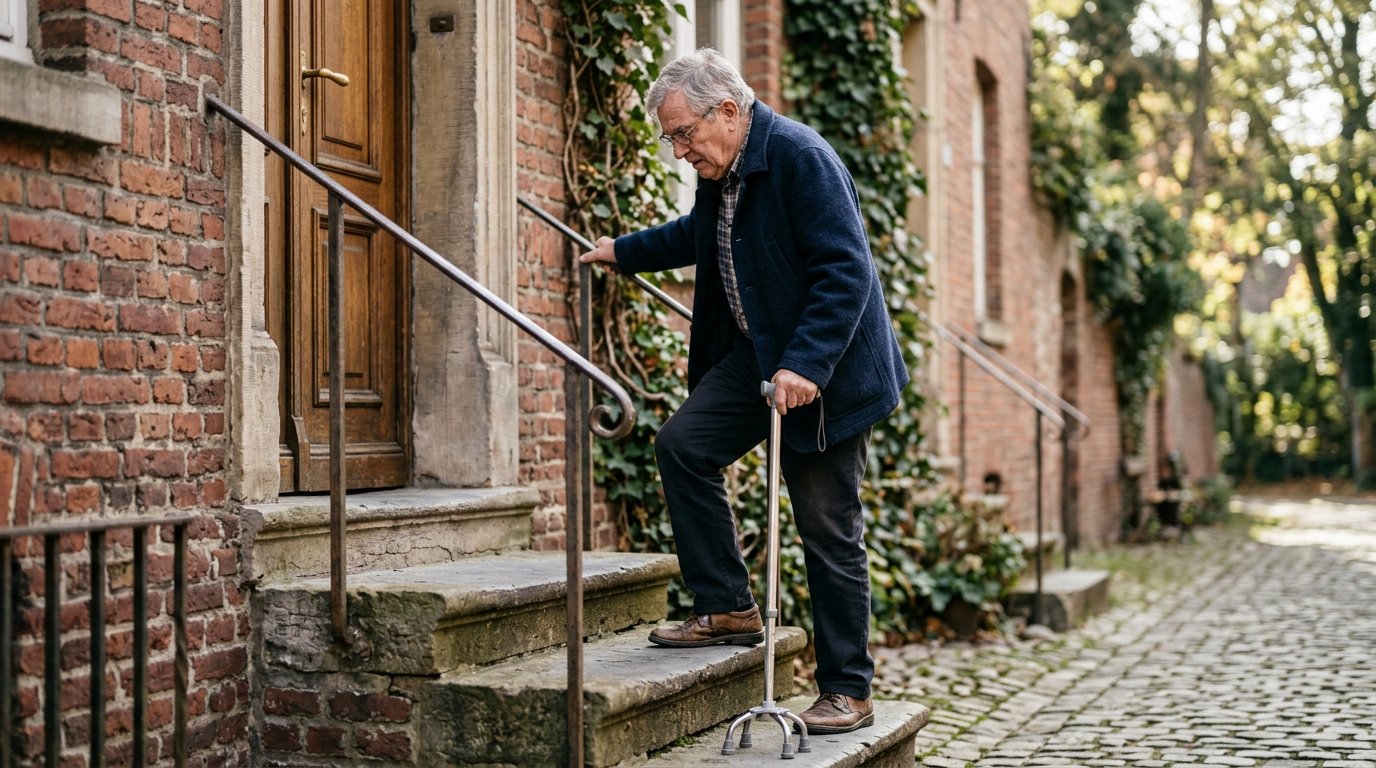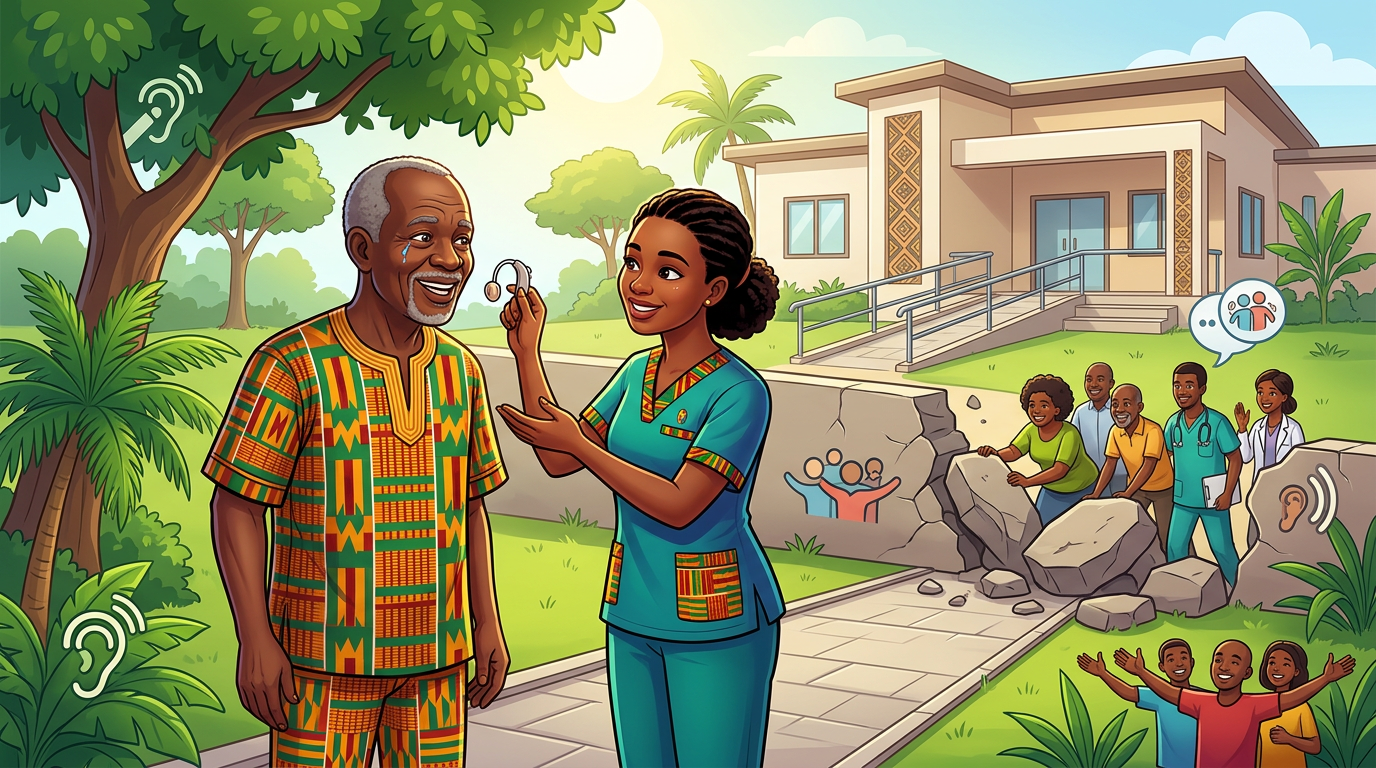

Explore the complexities of deaf-blindness, a condition that intertwines hearing and vision loss, and discover the resources available to support those affected.
Imagine the world enveloped in a soft, muted silence, where the vibrant colors of life fade into shadows. This is the reality for individuals grappling with deaf-blindness, a condition that intertwines the challenges of both hearing and vision loss. While each sense offers a unique lens through which to interact with the world, their simultaneous decline can create a profound barrier to communication and navigation, transforming everyday experiences into daunting obstacles.
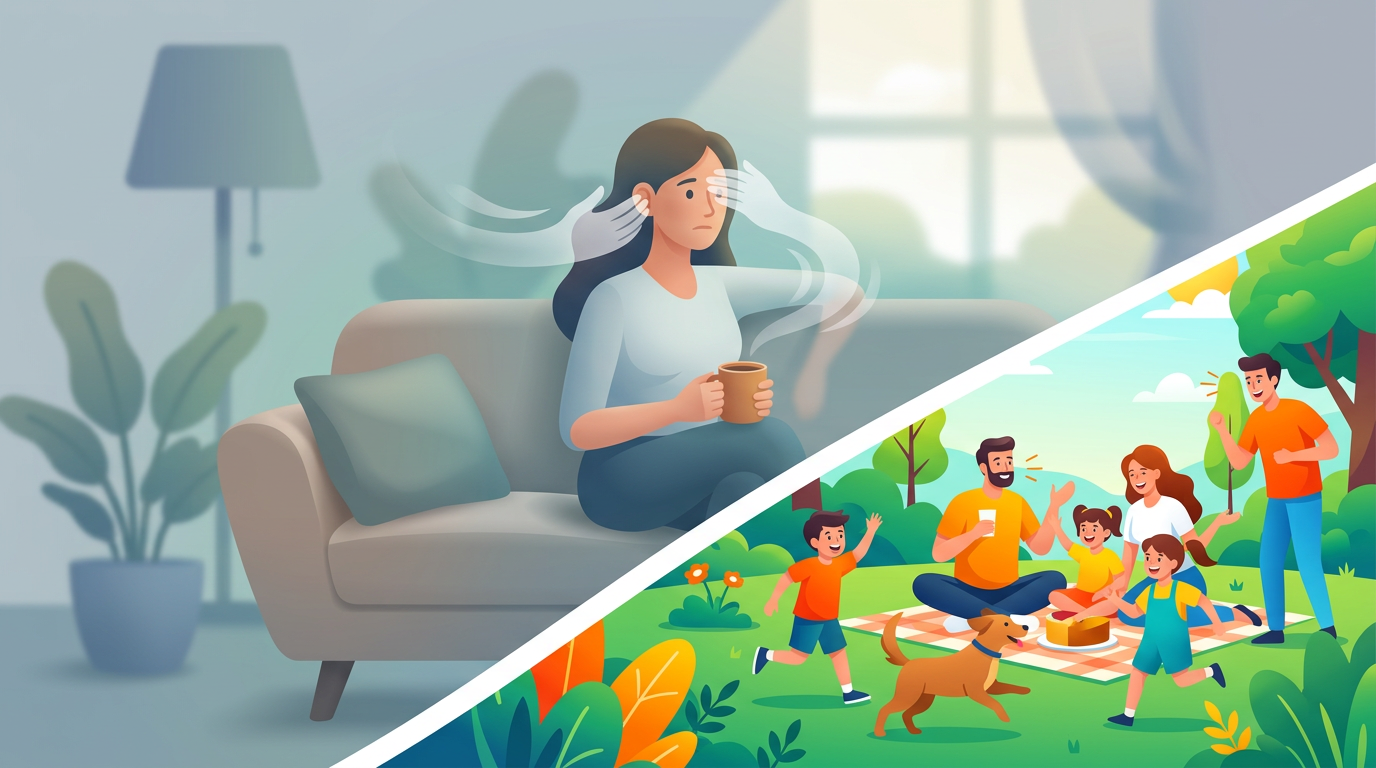
Deaf-blindness, often referred to as dual sensory loss, encompasses a spectrum of impairments, where neither sense is entirely lost but both are diminished enough to hinder daily activities. This condition can arise from congenital factors, such as genetic syndromes like CHARGE or Usher syndrome, or develop later in life due to accidents, illness, or even the stresses of aging.
Consider for a moment the myriad ways in which the loss of these senses can manifest. A person may struggle to follow conversations, misinterpret social cues, or even navigate familiar spaces due to a lack of sensory information. This dual challenge can lead to isolation, as the natural interplay of hearing and seeing becomes disrupted.

For those seeking assistance, there are pathways to explore that can greatly enhance one’s quality of life. Various resources are available to connect individuals with products designed to aid those with hearing impairments. Discovering these options can be a pivotal step toward regaining independence and confidence. Check it out to explore how you can find tailored solutions to assist with hearing loss.

Timely assessments are crucial for anyone experiencing the onset of sensory impairments. Regular check-ups can help identify the nuances of deaf-blindness, ensuring that care plans are personalized to meet evolving needs. The goal is to maximize remaining sensory functions while teaching alternative communication methods, fostering independence through training with tools such as guide dogs or long canes.
A life touched by deaf-blindness is undeniably challenging, yet with the right support and resources, individuals can navigate their environments with grace. By recognizing the importance of these dual sensory challenges, we can cultivate a society that is more inclusive and understanding, paving the way for every individual to thrive amidst their unique circumstances.
Luxury brand consultant and cultural tastemaker with 14 years inside fashion houses, art circles, and elite hospitality. Camille writes about taste, aesthetics, status, and refinement — but always through the lens of psychology.

Mar 25, 2026

Mar 16, 2026

Mar 16, 2026