
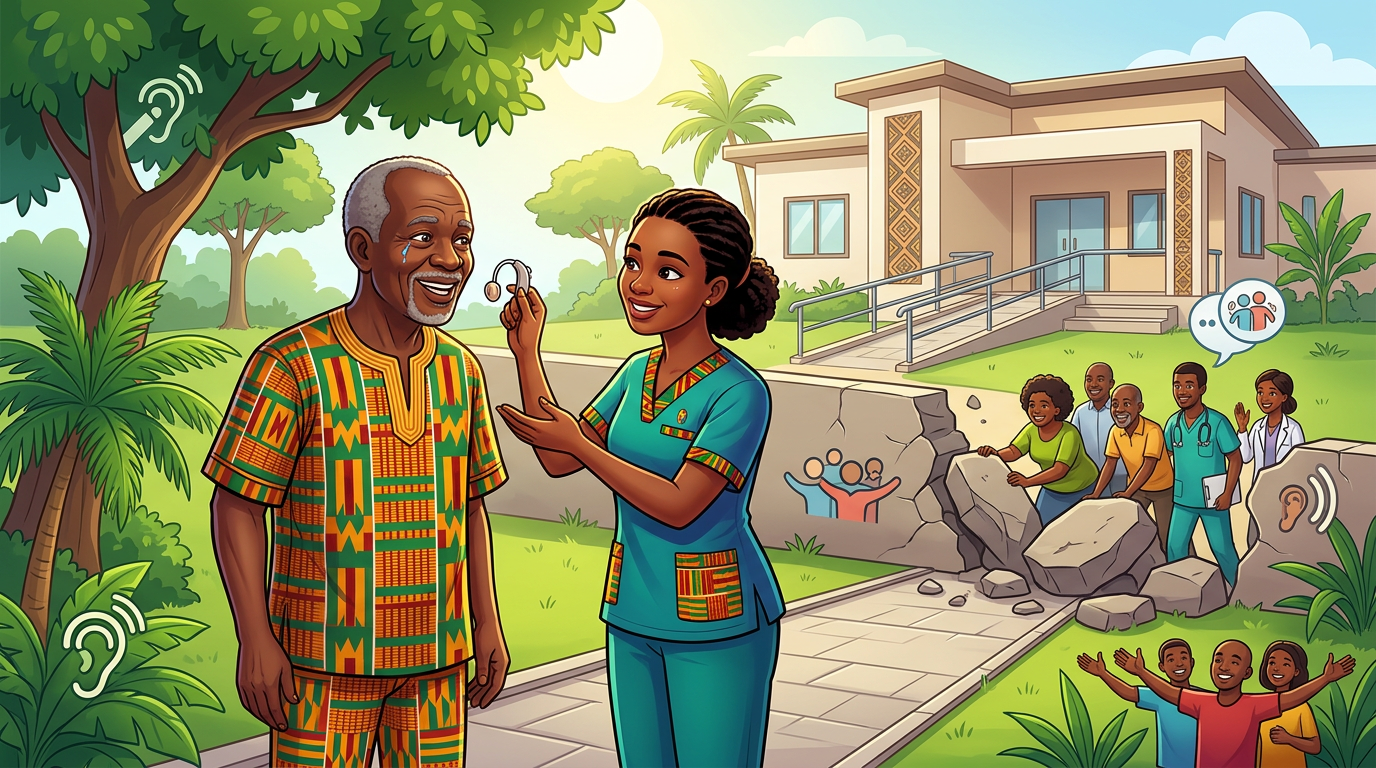
ENT specialists in Ghana advocate for removing taxes on hearing aids to improve access for children suffering from hearing loss. Early detection and intervention are crucial in preventing permanent impairment.
The dim light of a classroom flickers as a teacher’s voice fades into the background, unnoticed by a child who struggles to grasp the lesson. In Ghana, this scenario resonates with alarming frequency, as the burden of hearing loss among children remains largely unaddressed. Ear, Nose and Throat (ENT) specialists, including Dr. Kwabena Agyenim Boateng and Dr. Kafui Searyoh, emphasize the dire need for early detection and improved access to treatment for this silent epidemic.
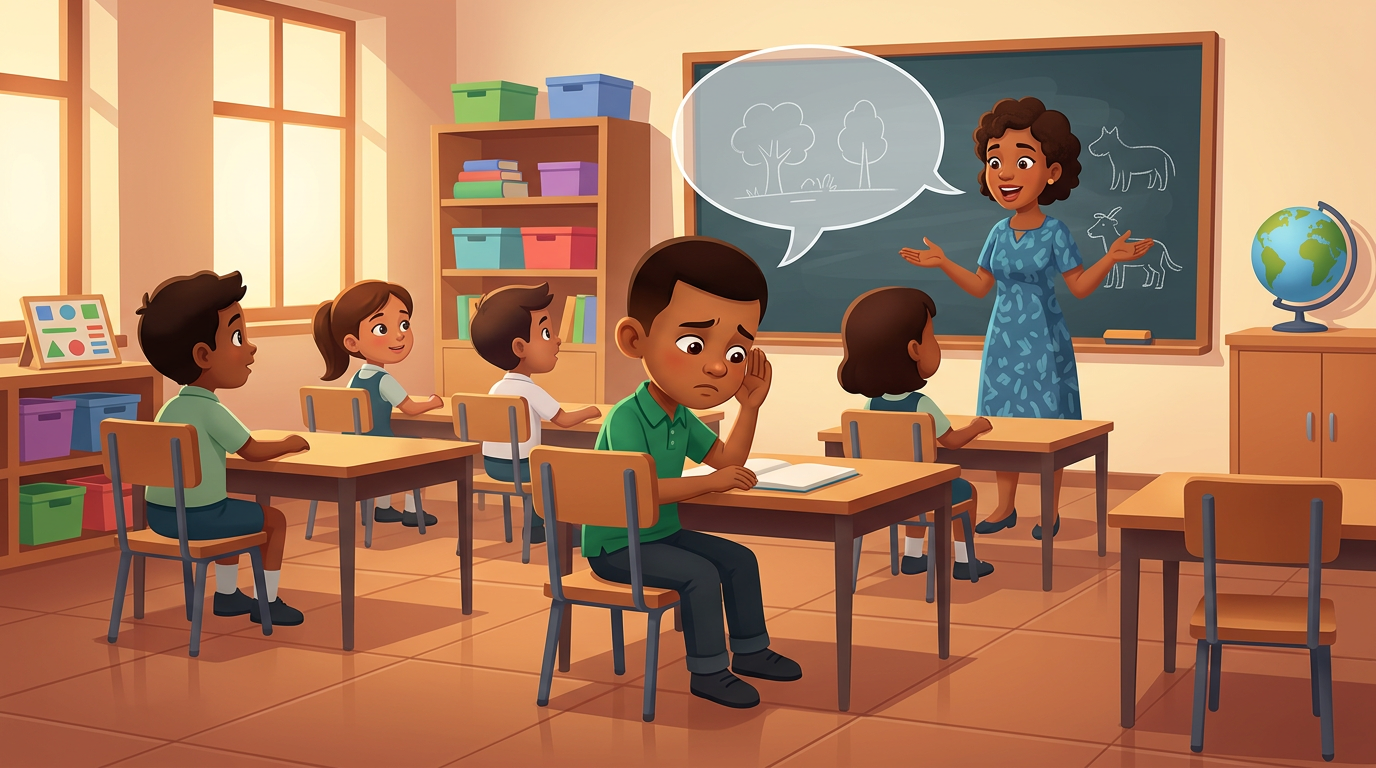
On the health segment of the Asaase Breakfast Show, these experts highlighted that many cases of childhood hearing loss in Ghana go undiagnosed, leading to lifelong consequences. The ramifications extend beyond mere auditory impairment; they can manifest in academic struggles and social isolation, as many children are mistakenly labeled as poor performers due to their inability to hear instructions clearly.
One of the most pressing issues raised by the specialists is the prohibitive cost of hearing aids and cochlear implants, exacerbated by taxes on these essential medical devices. Dr. Searyoh urged for the complete removal of tax elements on hearing aids, stating, "We would be very glad if the tax element on hearing aids could be completely removed so that even the poor can afford them." This sentiment reflects a profound understanding of the socio-economic barriers that prevent families from accessing necessary care.
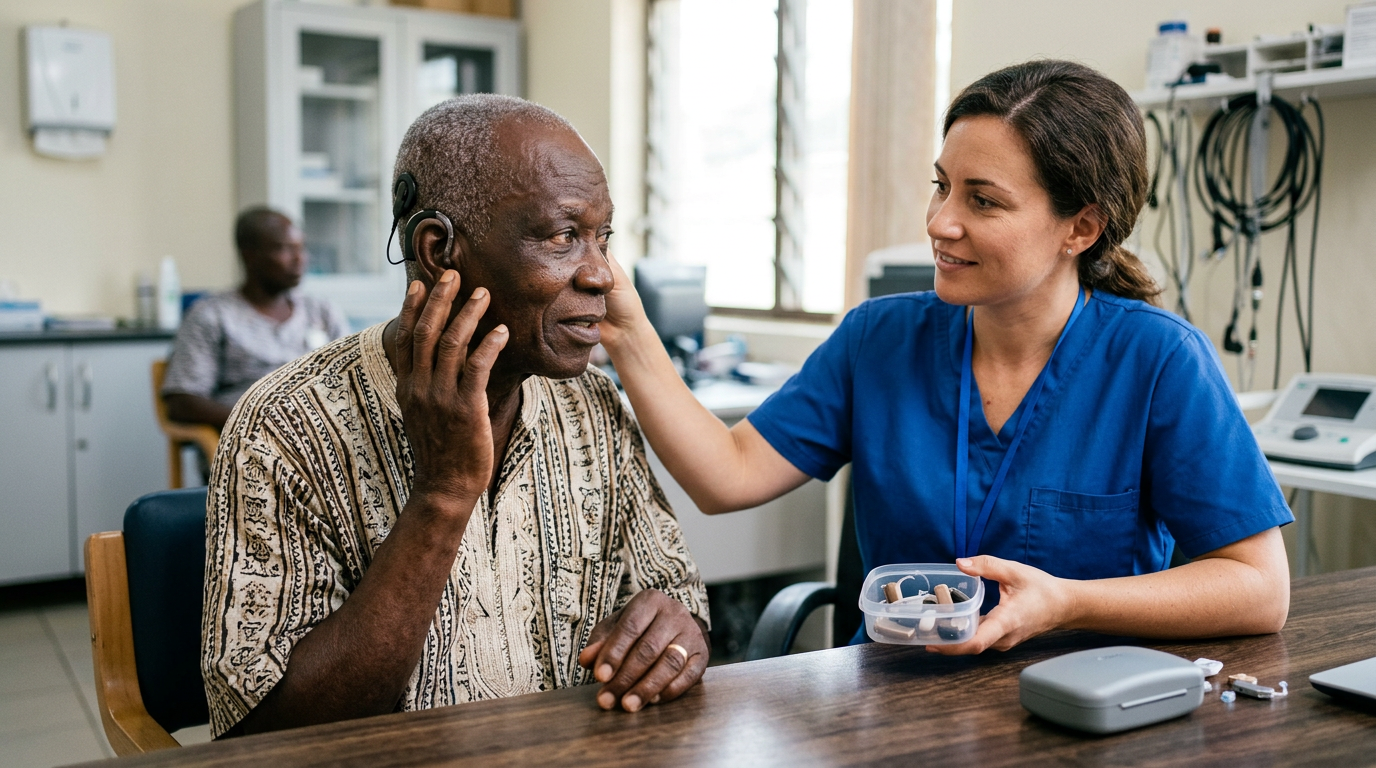
For those navigating the landscape of hearing aids, an online platform offers an invaluable resource. Users can explore a range of hearing aid options, compare products, and connect with providers, ensuring that affordability is within reach for those who need it most. Check it out to find a solution tailored to individual needs.
The importance of early detection cannot be overstated. Dr. Searyoh advocates for the introduction of newborn hearing screening programs across the country, emphasizing that interventions are most effective within the first two years of life. Neglecting to address hearing problems early can lead to permanent impairment, affecting a child's future.
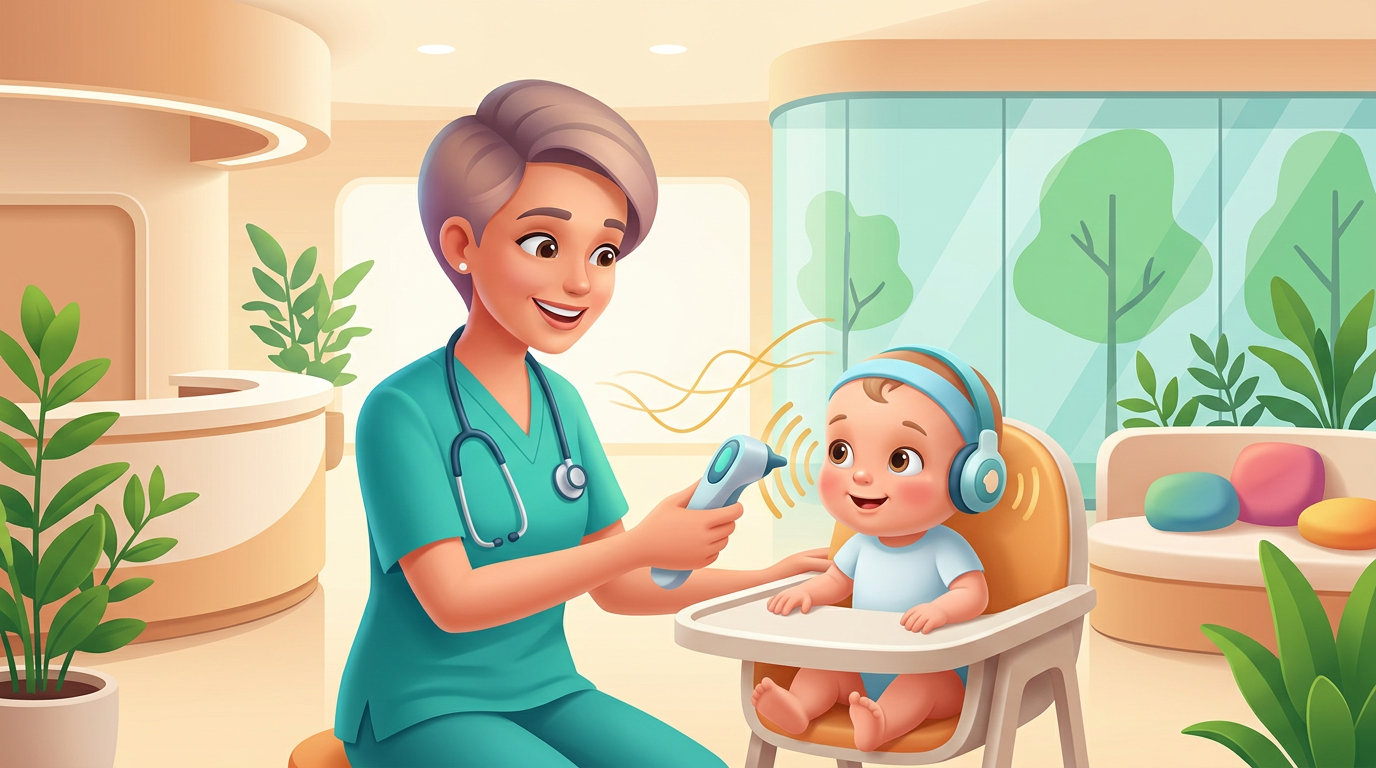
Common causes of hearing loss, such as infections and complications during birth, often go unnoticed, underscoring the need for greater awareness. As Dr. Boateng aptly pointed out, approximately 60% of conditions leading to hearing loss are preventable, making education and early screening essential.
As we commemorate World Hearing Day, let us reflect on the critical need for access to hearing aids and the importance of addressing hearing loss in children. With concerted efforts from health professionals, policymakers, and communities, we can pave the way for a future where every child has the opportunity to hear and thrive.
Luxury brand consultant and cultural tastemaker with 14 years inside fashion houses, art circles, and elite hospitality. Camille writes about taste, aesthetics, status, and refinement — but always through the lens of psychology.

Mar 25, 2026

Mar 16, 2026

Mar 16, 2026